Publishers and booksellers reveal how they
Industry insiders explain the strategies behind book covers, blurbs, and store placements designed to persuade readers, highlighting the influence of
Philip Gwyn Jones, a literary agent and former publisher with over 30 years of experience, states that the book trade is fundamentally an "art of persuasion." The persuaders include publishers, booksellers, supermarket buyers, marketers, publicists, and, increasingly, online influencers on platforms like BookTok and Instagram.
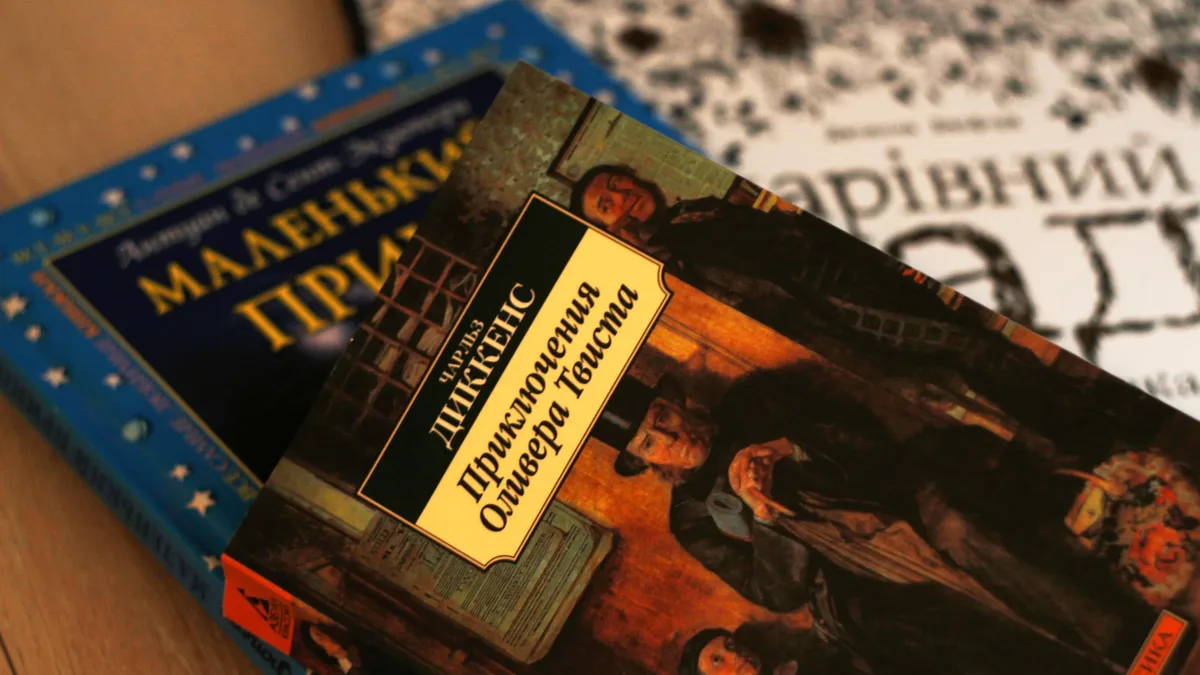
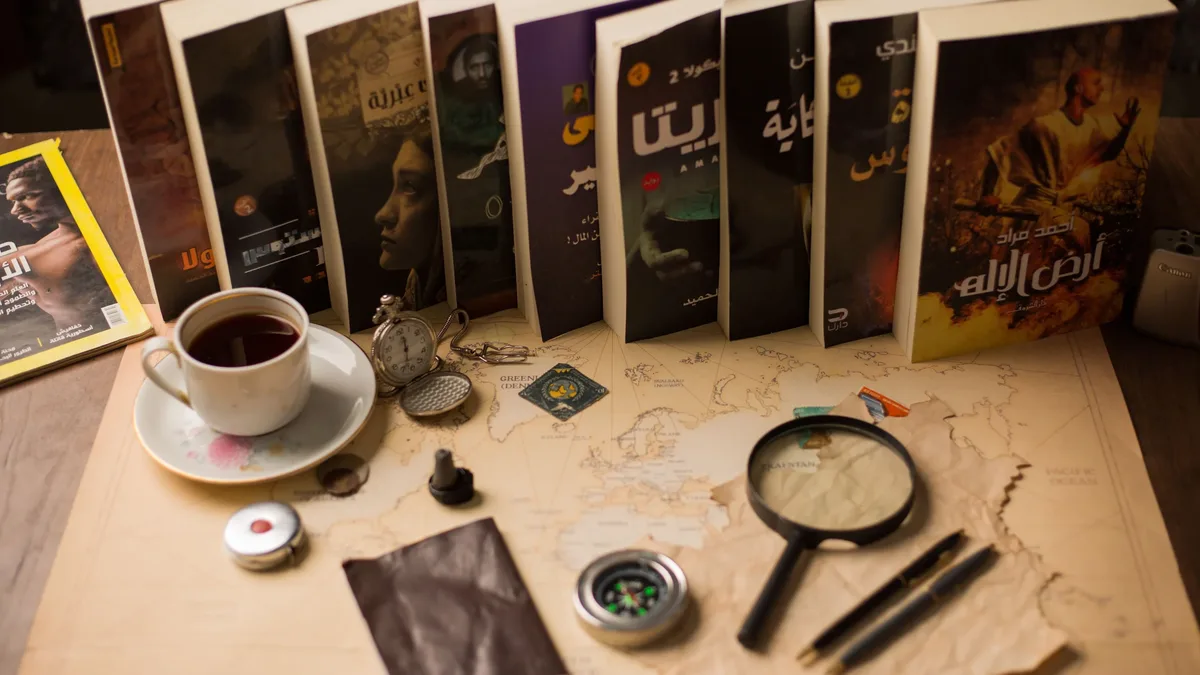
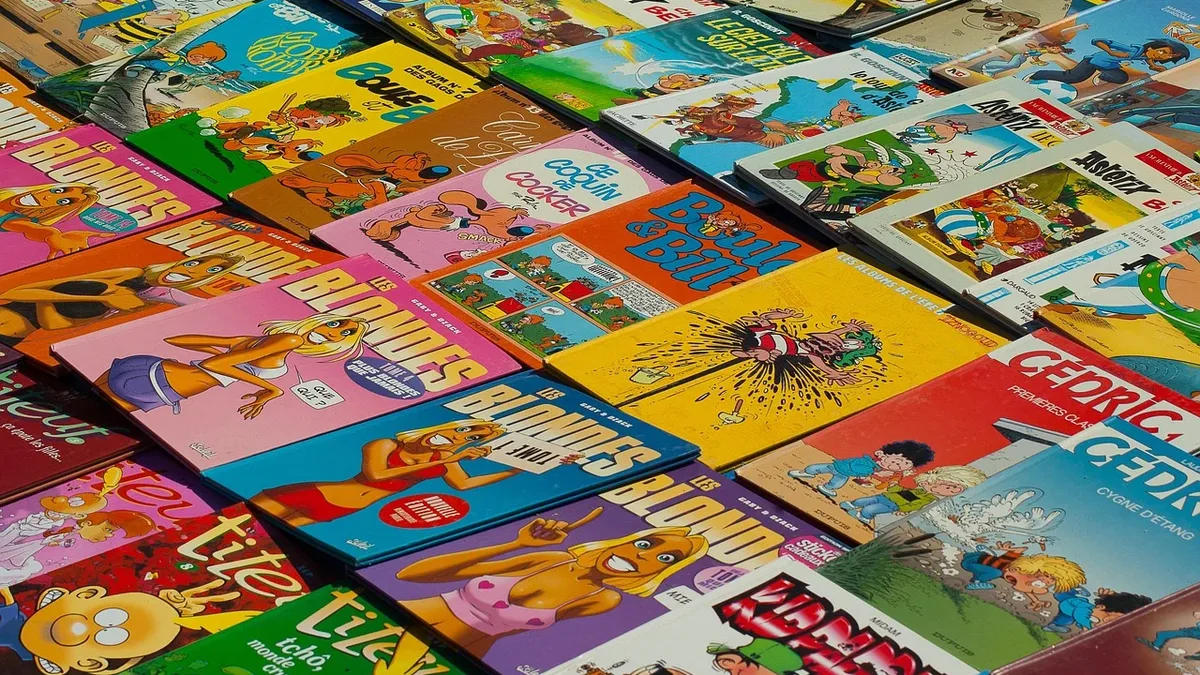
The cover's crucial role
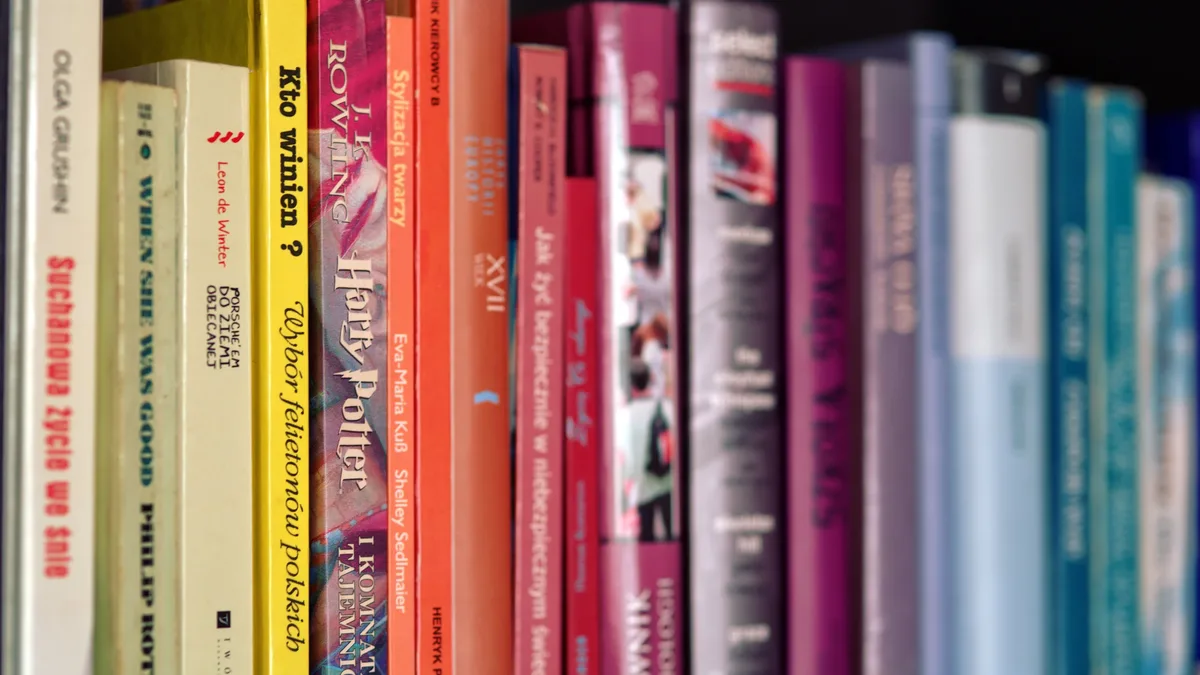
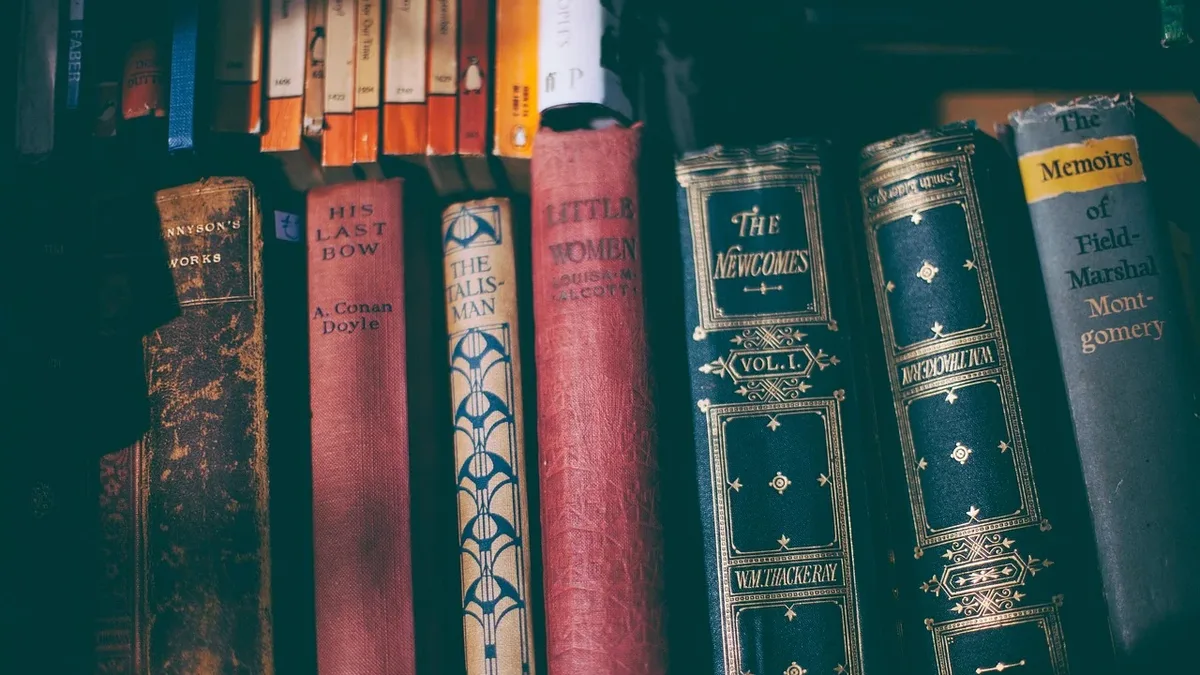
Book designer Jamie Keenan reveals that covers are frequently focus-grouped and altered based on feedback from major retailers. He notes that supermarket chain Tesco holds significant sway over commercial books, while Waterstones exerts similar influence over literary titles. According to Keenan, the rise of online browsing has pushed publishers towards more iconic, simple designs with bright colors and large type to stand out as small thumbnail images on apps and websites.
This shift has led to a proliferation of similar-looking covers. Keenan says publishers often issue briefs for "comparable titles," which he describes as a "nod-and-a-wink" request to make a new book look like existing bestsellers. Gwyn Jones recalls an "unspoken imperative" at a past publishing house to put a cat on the cover of Japanese fiction titles, even if a cat played no major role in the book, because it seemed to boost sales.
Crafting the persuasive blurb
Once a cover attracts a reader, a copywriter's job is to ensure they do not put the book down. A copywriter for a major commercial publisher explains they have mere seconds to grab a potential buyer. One technique is using Christopher Booker's theory of The Seven Basic Plots to frame a story within familiar categories like "The Quest" or "Overcoming the Monster." The goal is to signal that a book is "the same but different."
Publishers aggressively follow market trends, according to the copywriter. After two decades dominated by "Scandi noir," the current trend is "cosy crime." To succeed, books must be packaged to fit the trend, even if their content differs. Blurbs for cosy crime novels often downplay violence, instead emphasizing an "ingenious" mystery full of "twists and turns," a "delicious" narrative tone, or a "quintessentially British" feel.
Copywriter Louise Willder, author of Blurb Your Enthusiasm, says a blurb must tell a small story but acknowledges that not every word is read. The commercial copywriter explains that people tend to read in an 'F' shape, scanning the start of each paragraph, so key selling points must be placed there. Clichés evolve over time; for instance, "witty" becomes "whip-smart" and "moving" becomes "deeply moving."
Endorsements and in-store influence
Book covers are also filled with author endorsements, though audiences are often mistrustful of them. Willder notes this skepticism, while the commercial copywriter and Gwyn Jones confirm that networking within author circles is crucial for securing these quotes. Brett Wolstencroft, manager at independent chain Daunt Books, observes that certain authors, like Stephen King and Tony Parsons, appear as endorsers on countless books.
Visibility in physical bookshops remains vital for success. An experienced publicist told The Guardian that securing top positions in supermarket book charts often involves significant payments to the retailers, contrary to the public perception that these are "earned positions." A 2022 BBC report stated that TG Jones, formerly WH Smith, also charged publishers for chart space, though the chain said sales performance was a factor. A Waterstones bookseller noted that, before James Daunt took over, the chain charged publishers for display table placements, but now decisions are largely down to individual booksellers.
Publishers send early copies to booksellers to create advocates. Wolstencroft says public trust in bookseller recommendations stems from the belief that they have genuinely read and liked the books, independent of publisher tactics. At Daunt Books, window displays often focus on a single title to combat limited customer attention spans. Wolstencroft emphasizes that hand-selling books through conversations is incredibly powerful, as a recommendation overheard by others in the shop can lead to multiple sales within minutes.
Many shops use "shelf talker" cards with staff recommendations. The Waterstones bookseller says these are highly effective if they sound sincere and emotional, but admits that a store policy requiring three cards per bay sometimes leads to staff hastily copying reviews from Goodreads for books they have not read, which are "less successful." The bookseller concludes that, ultimately, "enthusiasm is the thing that sells."