Amanda Peters The Birthing Tree September
Amanda Peters will publish her second novel, 'The Birthing Tree,' with Catapult in September. The book follows a half-Mi'kmaq woman from the 1960s to the 1990s, exploring midwifery and Indigenous customs.
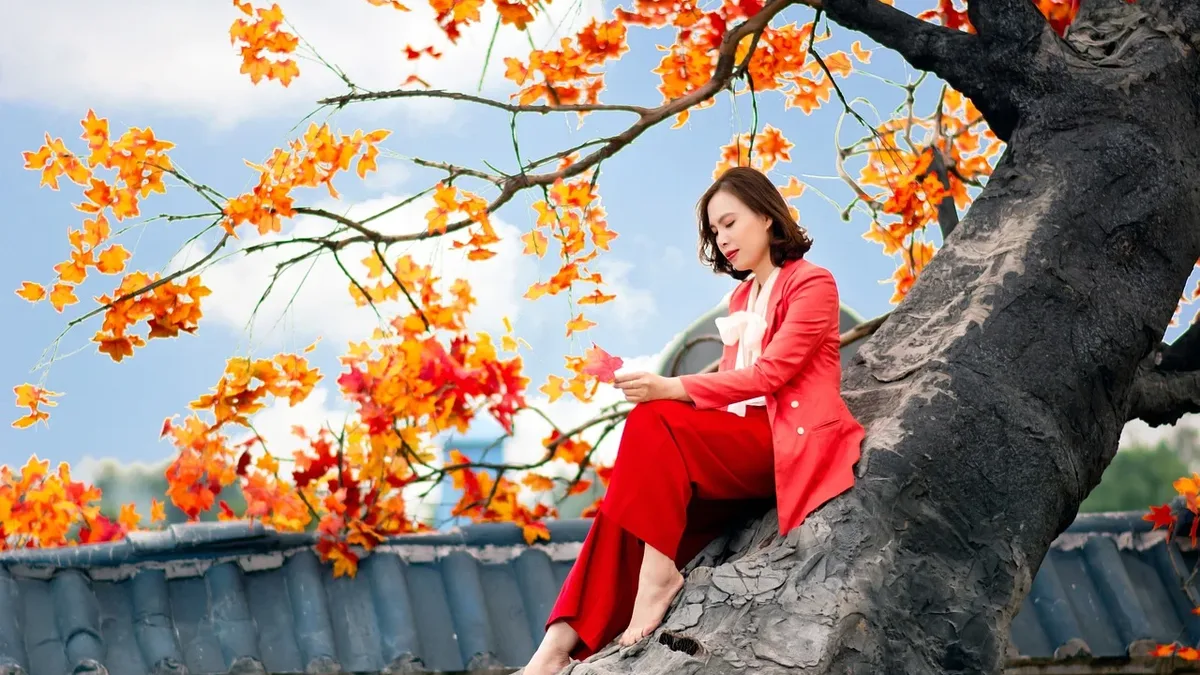
Amanda Peters's second novel, The Birthing Tree, will be published by Catapult in September. The 49-year-old author's new book centers on a half-Mi'kmaq woman named Aliet and grapples with the legacy of midwifery in Canada from the mid-1960s to the end of the 1990s.
Peters told Publishers Weekly the pressure following her hit debut has been "horrifying." She did not expect the success of The Berry Pickers, which won the Barnes & Noble Discover Prize and the Andrew Carnegie Medal for Excellence in Fiction and is now available in 25 languages. "I spent a lot of time in my head, wondering if people would like this or that part of the new book," Peters said. "It stymied the story."
From a Grandmother's Memory to a Novel
The novel's origin lies in a haunting statement from Peters's Mi'kmaq grandmother. When Peters was 19 or 20, her grandmother, who had dementia, asked if she remembered a tree by the water. "That's where we used to give birth," her grandmother said. Peters never got more explanation. Years later, while interning with Indigenous midwives in Nova Scotia, her interest in the tree returned.
In the novel, the tree on Aliet's family property stands tall despite government efforts to suppress Indigenous customs. Peters said she liked "the idea of the tree as this caretaker of her people, and collector of their stories who stores them in the rings of her base." Most chapters begin with brief observations from the tree itself.
A Return to Home and History
Like her character Aliet, Peters left the Annapolis Valley and later returned. Aliet leaves as a teenager after a grief-driven departure and spends 25 years in Halifax before coming home in her 40s. Peters left for university, then lived in the U.K., Japan, and South Korea, moving back to Nova Scotia in 2011.
"The setting is me, but the characters are not me," Peters said of her work. She credits bits of family history as sparks but believes "there's no answer for creativity." Lately, she favors a theory that creative ideas are dispensed like raindrops from a universal consciousness.
Building a Writing Career
Peters was a late reader, struggling until sixth grade when her peers' obsession with Kristy's Big Day pushed her to become literate. She progressed through Nancy Drew and thrillers before being set "on the literary path" by Of Mice and Men. "I always wanted to write, but, being a mixed-race welfare kid from the Annapolis Valley, I wanted to make sure I could have a life where I could afford groceries first," she said.
She holds four master's degrees and earned a creative writing degree from the University of New Mexico with a draft of The Berry Pickers already complete. She credits her success to family support and not having children. Her father's suggestion to write about his summers picking berries in Maine led directly to her debut.
Her editor says Peters will "always going to write about identity." The author admits this is likely true. "In Indigenous communities, there are a lot of gaps: gaps in our history, gaps in our stories," Peters said. "Colonization has not done well for us. Maybe, in my work, I'm unconsciously reflecting those gaps." In The Birthing Tree, a quiet mystery involves the question of Aliet's paternity.
In the novel's conclusion, Aliet builds a fence around the birthing tree after failing to get it protected as a historical site. The character narrates her understanding of "all the loneliness, the grief, the anger" that led her to it. "I looked up into the branches, grey against a grey sky, leafless and resilient against weather and the ignorance of humans, and I smiled," Aliet says. "'I hear you.'"