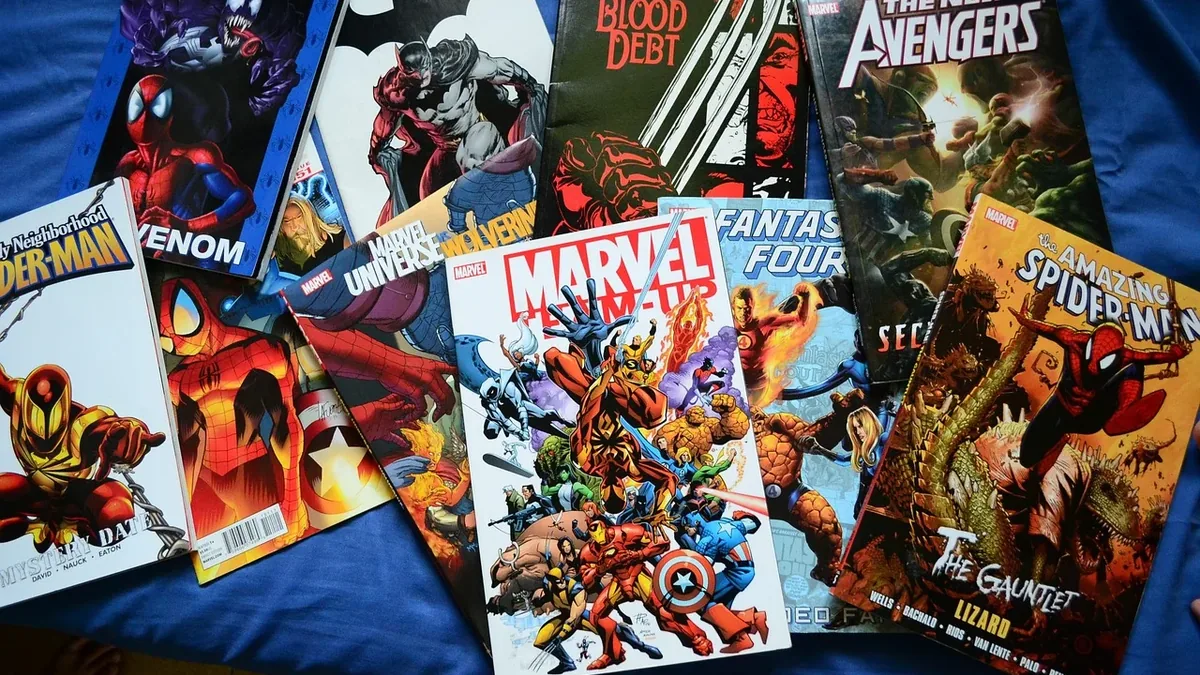
Graphic Novels
| Author | Name of the author or creative team |
|---|---|
| Publisher | Name of the publishing company |
| Publication date | Year of first publication |
| Country of origin | Country where first published |
| Original language | Language in which the work was first written |
| Translator | Name of the translator, if applicable |
| ISBN | International Standard Book Number |
Origin and history
The modern graphic novel format emerged primarily from the United States and Europe in the late 20th century, building upon centuries of sequential art traditions. While narratives told in comics format existed long before, the term "graphic novel" was popularized in the late 1970s as a marketing and critical designation for book-length comics. Will Eisner's "A Contract with God, and Other Tenement Stories" (1978) is frequently cited as a pivotal early work that consciously used the term to position itself as a serious literary publication. The format's development was significantly influenced by Japanese manga, which has a deep history of long-form serialized storytelling collected into volumes. Throughout the 1980s and 1990s, critical and commercial successes like Art Spiegelman's "Maus" (1986) and Neil Gaiman's "The Sandman" series (1989-1996) cemented the graphic novel's place in mainstream bookstores and libraries. This period saw the format diversify beyond superhero genres to encompass memoir, history, journalism, and literary fiction, establishing it as a distinct and respected medium.
What it is for
Graphic novels are used to tell sustained, complex narratives through the interdependent combination of text and sequential artwork. They serve to explore themes and stories that benefit from visual representation, where imagery is not merely illustrative but integral to the narrative's pacing, tone, and emotional impact. The format is employed for fictional storytelling across all genres, from fantasy and science fiction to realistic drama and historical fiction. A significant use is in non-fiction, where graphic novels can effectively explain intricate subjects like science, philosophy, or personal memoirs, such as in Marjane Satrapi's "Persepolis". They function as a bridge medium, appealing to visual learners and those who may find dense prose intimidating, while also offering sophisticated literary experiences for seasoned readers. Furthermore, graphic novels are used in educational settings to engage students with literature, history, and social issues through an accessible yet demanding artistic form.
Best Graphic Novels books
"Maus" by Art Spiegelman, published by Pantheon Books, is a landmark work that depicts the Holocaust with Jews as mice and Nazis as cats, originally serialized from 1980 to 1991 before its complete publication in 1986 and 1991. "Watchmen" by Alan Moore and Dave Gibbons, published by DC Comics in 1986 as a twelve-issue limited series and later as a single volume, deconstructed the superhero genre with profound philosophical and political depth. "Persepolis" by Marjane Satrapi, first published in France by L'Association in 2000 and later in English translation by Pantheon in 2003, is a memoir of growing up during the Iranian Revolution. "Jimmy Corrigan: The Smartest Kid on Earth" by Chris Ware, published by Pantheon Books in 2000, is a formally innovative exploration of loneliness and family history. "Blankets" by Craig Thompson, published by Top Shelf Productions in 2003, is an autobiographical coming-of-age story noted for its lyrical artwork and emotional scope. "Fun Home: A Family Tragicomic" by Alison Bechdel, published by Houghton Mifflin in 2006, is a critically acclaimed memoir that explores family, sexuality, and literature.
Best books for Graphic Novels
"Understanding Comics: The Invisible Art" by Scott McCloud, published by HarperPerennial in 1993, is an essential theoretical work that explains the mechanics and vocabulary of the comics medium using the comics form itself. "Comics and Sequential Art" by Will Eisner, published by Poorhouse Press in 1985, is a foundational textbook by a master of the medium, analyzing the principles of visual storytelling. "The Graphic Novel: An Introduction" by Jan Baetens and Hugo Frey, published by Cambridge University Press in 2014, provides a scholarly overview of the format's history, genres, and critical discourse. "Making Comics: Storytelling Secrets of Comics, Manga and Graphic Novels" by Scott McCloud, published by HarperCollins in 2006, is a practical guide for creators on the craft of visual narrative. "The System of Comics" by Thierry Groensteen, originally published in French in 1999 with an English translation by University Press of Mississippi in 2007, offers a sophisticated structuralist theory of the medium. "Graphic Women: Life Narrative and Contemporary Comics" by Hillary L. Chute, published by Columbia University Press in 2010, analyzes the contributions of key female cartoonists to the autobiographical graphic novel.
Overview
A graphic novel is a publication of substantial length that presents a single, continuous narrative or a collection of interrelated stories through sequential art. It is distinguished from periodical comics by its publication as a complete, standalone book, typically with a defined beginning, middle, and end, though it may have been serialized originally. The format encompasses a vast range of genres, artistic styles, and intended audiences, from children's stories to dense, adult-oriented literature. Its defining characteristic is the synthesis of textual and visual elements, where neither component is fully subordinate; the dialogue, narration, and images work in concert to create meaning. Graphic novels are published by both dedicated comics publishers like Dark Horse, Image, and Fantagraphics, and major mainstream trade publishers such as Penguin Random House and Macmillan. The critical and academic study of graphic novels has grown substantially, with many universities offering courses on the medium as literature.
What to know
Graphic novels are not a genre but a format, capable of containing any genre from memoir and reportage to fantasy and horror. The production typically involves a collaborative process between a writer, a penciller, an inker, a colorist, and a letterer, though many works are created by a single cartoonist who handles multiple roles. When evaluating a graphic novel, one should consider the artwork's style and how it serves the narrative, the clarity and flow of the page layouts, and the integration of text and image. Important terminology includes "panels" (the individual framed images), "gutters" (the spaces between panels), and "splash pages" (a full-page image). Many celebrated graphic novels are translations, particularly from Japanese (manga) and French (bande dessinée), and the quality of translation significantly affects the reading experience. The format has its own awards ecosystem, including the Eisner Awards, Harvey Awards, and the Ignatz Awards, which recognize excellence in specific creative roles.
Common questions
A common question is whether graphic novels are suitable for children, to which the answer is that the format has titles for all age groups, and content should be evaluated with the same scrutiny as prose books, using reviews and age ratings. Readers often ask about the difference between a graphic novel and a trade paperback, where a trade paperback is a collection of previously serialized comic book issues, while a graphic novel may be either such a collection or an originally conceived book-length work. Many inquire if reading graphic novels "counts" as reading, and librarians and educators affirm that they demand complex literacy skills involving decoding visual language and integrating it with text. People frequently wonder where to start with the medium, which is best answered by identifying one's interests in prose or film and seeking graphic novel equivalents in those genres. Questions about preservation are common, with advice to store them upright and supported on a shelf, away from direct sunlight and humidity to prevent damage to the paper and spine. Readers also ask about adaptation rights, as many graphic novels are optioned for film and television, though the development process is separate from the book's publication.
Pros and cons
A significant advantage of the graphic novel format is its ability to convey complex emotional states, action, and setting rapidly through imagery, creating an immediate and immersive reading experience. The synthesis of text and art can make challenging subjects more accessible and engaging for a wider range of readers, including reluctant readers and visual learners. However, a common con is that some readers may rush through the visual elements, missing crucial narrative details embedded in the artwork, which requires a disciplined, slower reading pace. The collaborative nature of many productions can sometimes lead to a disjointed final product if the creative team lacks a unified vision, resulting in art that clashes with the tone of the writing. Another drawback is that the format's association with genre entertainment can lead to literary or non-fiction graphic novels being unfairly marginalized or overlooked by traditional literary critics and prize committees. Consumers sometimes regret purchases when they assume a graphic novel adaptation of a prose work is a simplified version, when it is often a complete reinterpretation that may not align with their expectations.
Who it suits
This format suits visual thinkers and those who appreciate the artistic collaboration between writing and drawing, offering a unique narrative experience different from prose or film. It is well-suited for readers seeking a potent blend of literary and visual art, who enjoy analyzing how composition, color, and line work contribute to storytelling. Graphic novels are ideal for individuals exploring new ways to engage with non-fiction topics, from history to science, where diagrams and sequential visuals can aid understanding. The format appeals to readers who may struggle with large blocks of text but are capable of handling sophisticated narratives, providing an alternative pathway to complex themes and stories. It suits collectors and bibliophiles interested in the book as an art object, as many graphic novels feature high-quality printing and distinctive design. Finally, it is an excellent medium for educators and parents looking to build literacy and critical thinking skills through a format that actively requires the reader to interpret the interplay between image and word.
Latest Graphic Novels news
Latest reporting
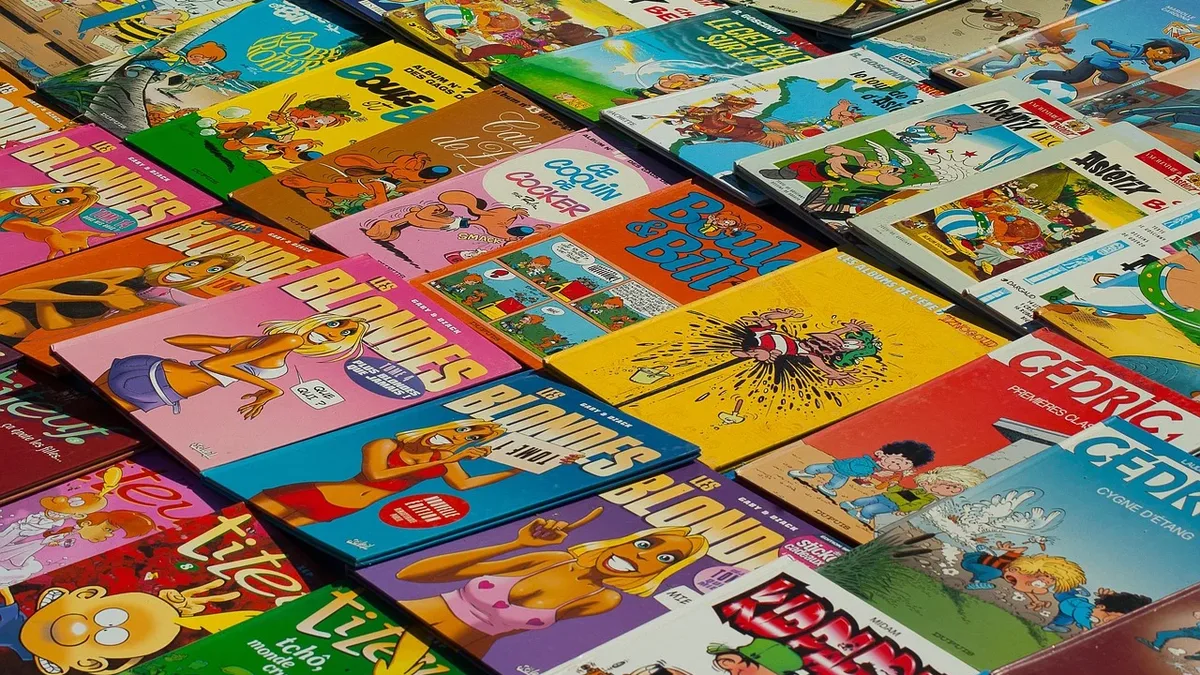
New Children's Books October 2026 Releases Announced
A slate of ten new children's and young adult books, from board books to YA novels, will be published by major houses in October 2026, featuring
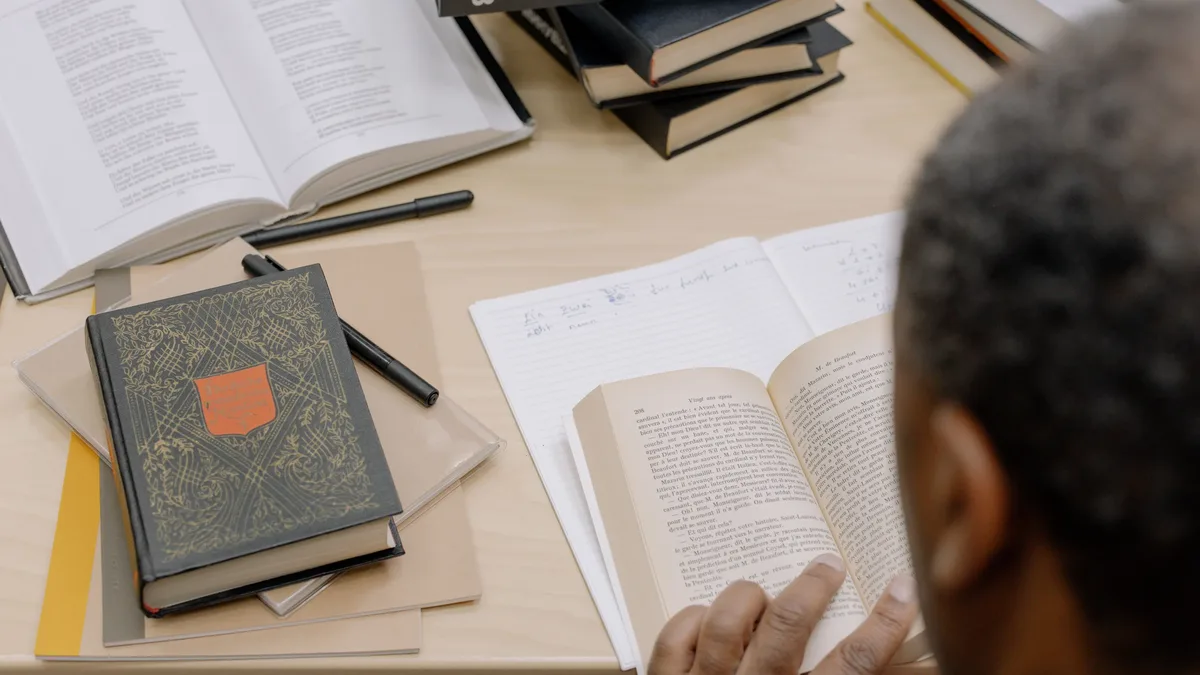
Ed Park's 'Personal Days' hailed as a comic
Writer James Folta praises Ed Park's debut novel 'Personal Days' as one of the best comic novels ever, highlighting its unique office humor and...
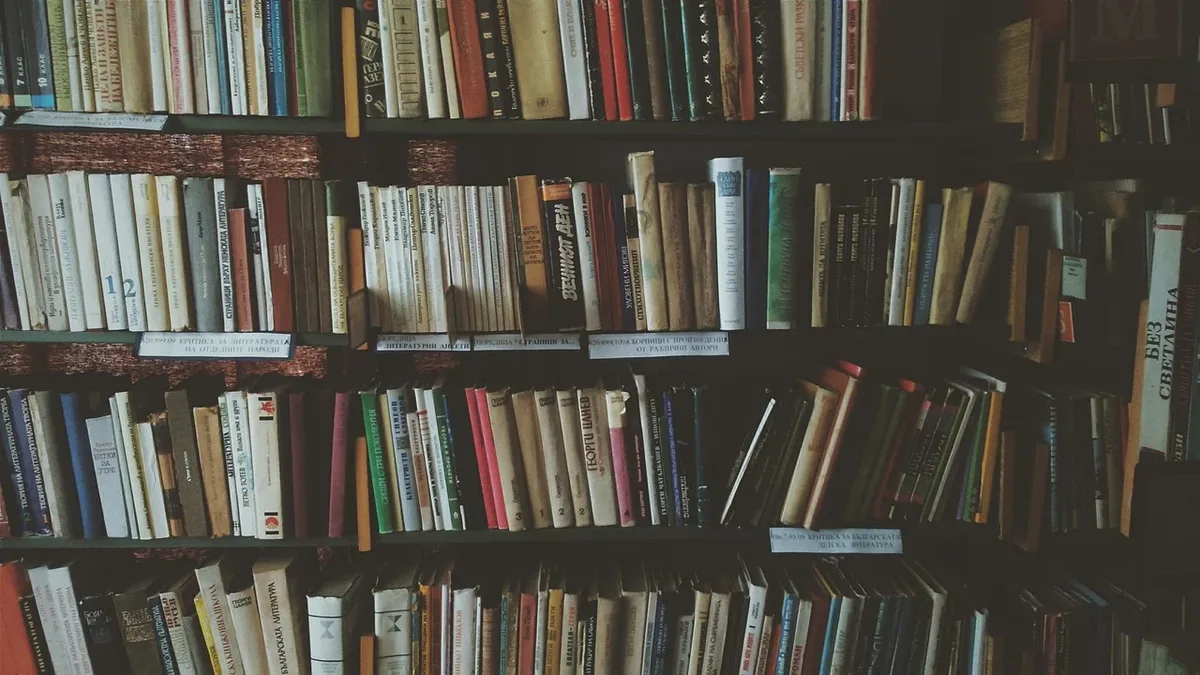
Chloe Benjamin Recommends 10 Hopeful Sci-Fi and Fantasy
Author Chloe Benjamin shares a personal list of literary science fiction and fantasy novels that inspired her own genre work and offer hope, citing...
Grand Prix du Roman Métis 2026 Announces 12-Book Shortlists
The juries for the Grand Prix du Roman Métis and its Readers' Prize have each selected 12 novels from an initial 30, moving closer to the December...
Prix Rive Gauche 2026 reveals French
The Prix Rive Gauche has announced its 2026 selections for French novels, foreign novels and literary magazines, marking its return after no edition...
Prix Goncourt 2026 longlist announced
The 2026 Prix Goncourt longlist has 16 novels, highlighting war and family. It includes two debuts and shows Madrigall group's continued dominance.