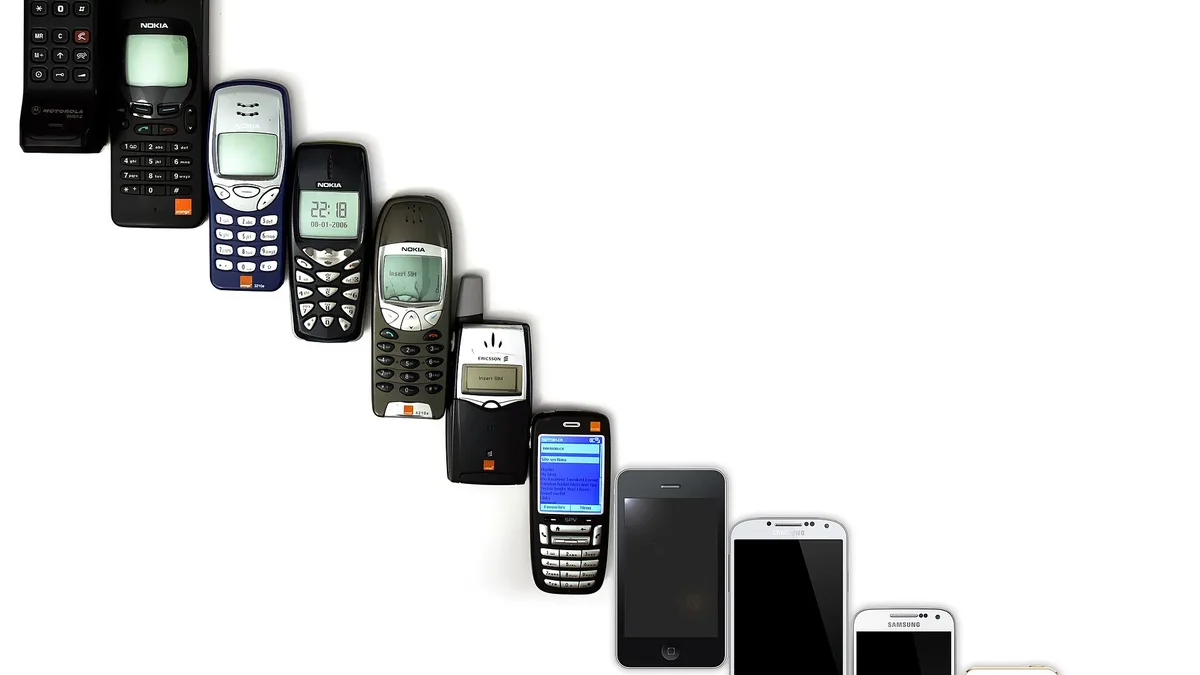
Reading On A Commute And On A Phone
| Format | Digital |
|---|---|
| Typical file size | 1 MB to 10 MB |
| Common file formats | EPUB, MOBI, PDF, AZW3 |
| Primary reading device | Smartphone |
| Typical reading environment | Public transit, waiting areas |
Origin and history
The practice of reading on a commute using a mobile phone emerged as a widespread phenomenon in the early 21st century, primarily in technologically advanced urban centers. Its development is intrinsically linked to the convergence of three major technological and social shifts: the proliferation of smartphones, the expansion of mobile internet connectivity, and the digitization of written content. The launch of devices like the iPhone in 2007 and the subsequent rise of app-based ecosystems provided the necessary hardware and software platform. Concurrently, the growth of 3G and later 4G networks enabled reliable access to digital texts while in transit. The publishing industry's development of e-books and digital periodicals in the 2000s supplied the content for this new consumption method. This combination transformed previously unproductive travel time into a common opportunity for reading, fundamentally altering daily reading habits for millions.
What it is for
This practice serves to utilize otherwise non-productive time spent traveling on public transit or in vehicles for the consumption of written material. It is specifically designed for accessing texts in a digital format on a portable, personal electronic device, allowing readers to carry a vast library without physical weight. The primary function is to facilitate reading in environments characterized by limited space, intermittent attention, and variable durations, such as subway rides, bus journeys, or train trips. It enables the integration of reading into daily routines for individuals whose schedules may not otherwise permit dedicated, lengthy reading sessions. The method supports a wide range of materials, from full-length novels and non-fiction works to shorter articles, news reports, and professional documents. Ultimately, it is a strategy for maintaining a reading life within the constraints of a mobile, urban lifestyle, prioritizing accessibility and convenience.
Pros and cons
This portability allows for spontaneous reading during unexpected waits or delays, maximizing the use of fragmented time. Features like adjustable text size, background color, and built-in dictionaries can enhance readability and comprehension for many users. A major drawback is the high potential for distraction, as the same device delivers notifications, messages, and other apps that can constantly interrupt focus and degrade the depth of engagement with the text. Screen fatigue, including eye strain and headaches, is a common physical downside, particularly during longer sessions or in poor lighting conditions. The tactile and visual simplicity of a physical page is absent, which some readers find detrimental to retention and the immersive experience, and battery dependency introduces the risk of interruption.
Who it suits
This practice suits commuters who rely on public transportation and have regular, predictable travel periods of fifteen minutes or more, providing a structured opportunity for reading. It is ideal for readers who prioritize volume and variety of content over collecting physical editions and who appreciate the ability to switch between titles seamlessly. Individuals with limited living space or who travel frequently find it advantageous, as it eliminates the need to transport physical books. It suits those who are comfortable with digital interfaces and can effectively manage device notifications to protect their reading focus. Readers with visual impairments or preferences benefit from the customizable display settings for font and contrast that many reading apps provide. It is less suited to readers who deeply value the sensory experience of paper, those prone to digital eye strain, or individuals whose commutes involve driving, extreme overcrowding, or require multiple complex transfers.
Latest Reading On A Commute And On A Phone news
Latest reporting

McDonald's France Launches Storyteller School for Parents
McDonald's France has launched L'École des Raconteurs, an initiative to coach parents on reading aloud to children.

Open Books 2026 Sets Frankfurt Reading Festival
The 18th Open Books festival will run from October 6-10 alongside the Frankfurt Book Fair, featuring 200 authors in 144 free events.

Lefebvre Dalloz Launches LISONS!
Lefebvre Dalloz launches a campaign to promote reading among law students
The Intimacy of Reading: Authors on Parasocial Relationships
Authors discuss the phenomenon of parasocial relationships, where readers form deep connections with authors they've never met.

Alice Roberts: The Books that Shaped Her Humanist Perspective
The British author and academic shares her earliest reading memories and the books that influenced her humanist views.

The Importance of Literary Friction in Reading
Maris Kreizman argues that literary friction is essential for growth as a reader and thinker, and that it is being devalued in today's...