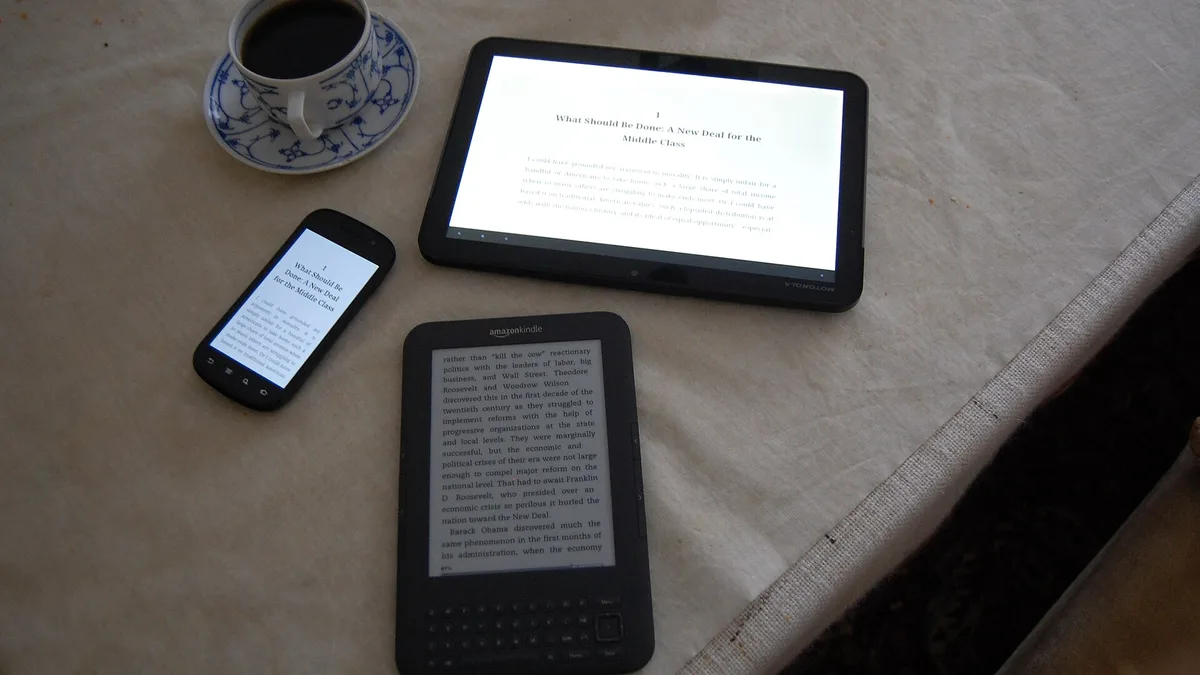
Ebooks And E Readers
| Author | Varies by title |
|---|---|
| Publisher | Varies by title |
| Publication date | Varies by edition |
| Translation | Varies by edition |
| File format | EPUB, PDF, MOBI, AZW |
| Digital rights management | Present or absent |
| Text-to-speech | Supported or not supported |
| Page numbers | Present or absent |
| Annotations | Supported or not supported |
Origin and history
The concept of the ebook, a text in digital form, originated in the United States in the early 1970s with Project Gutenberg, which aimed to create a digital library of public domain works. The dedicated e-reader device, however, emerged decades later, with early commercial attempts like the Sony Data Discman in the early 1990s failing to gain widespread adoption. The modern era of e-reading began in the late 1990s and early 2000s with the commercial release of dedicated e-ink devices, such as the Rocket eBook and the Sony Libre. The market was fundamentally transformed in 2007 with the launch of Amazon's Kindle in the United States, which integrated a wireless bookstore directly into the device. This model of seamless content delivery established the dominant commercial framework for ebooks and e-readers that persists today. The subsequent proliferation of tablets and smartphones in the 2010s further expanded the platforms for reading ebooks, making the digital text a mainstream format.
What it is for
An ebook is a digital file containing the text and images of a book, designed to be read on an electronic screen. E-readers are portable hardware devices, most utilizing E Ink displays, specifically optimized for the prolonged reading of such digital books. The primary function of an e-reader is to store and display a personal library of ebooks, often numbering in the thousands, in a single, lightweight unit. This format allows for instant acquisition of new titles through integrated online stores without the need to visit a physical retailer. The technology also enables adjustable text display, letting readers change font style, size, and spacing to suit visual preference or need. Furthermore, e-readers and ebook apps facilitate features like built-in dictionaries, search functions, and annotation capabilities that are impractical in print.
Pros and cons
A primary advantage is portability and storage, as a single device can hold an entire library, eliminating physical bulk and weight for travelers or avid readers. The adjustable text features provide significant accessibility benefits for readers with visual impairments or conditions like dyslexia. Instant purchase and delivery, along with often lower prices than new hardcovers, provide notable convenience and cost savings over time. A significant disadvantage is the lack of true ownership, as most commercial ebooks are licensed, not sold, and can be removed from a device by the platform or become inaccessible if the service shuts down. The tactile and visual experience of print is absent, which many readers find detrimental to comprehension, retention, and simple enjoyment of reading. Screen dependency is another common drawback, as reading on a backlit tablet or phone can contribute to eye strain and sleep disruption, though dedicated E Ink readers mimic paper and do not emit light.
Who it suits
This format suits frequent travelers and commuters who need to carry multiple books without the physical burden, as well as individuals with limited living space for storing physical books. It is highly suitable for readers who require or strongly prefer adjustable text, such as those with changing eyesight or specific visual processing needs. Avid readers who prioritize immediate access to new releases and impulse purchases benefit greatly from the integrated bookstore model. The technology is a practical match for researchers and students who heavily utilize search functions and annotations within texts for study and reference. It is less suited to collectors, bibliophiles who value the physical object, and readers who experience deeper engagement and memory retention from print pages. Individuals who are uncomfortable with complex digital rights management or who wish to freely lend, sell, or bequeath their books will often find the ebook ecosystem frustrating.
Latest Ebooks And E Readers news
Latest reporting
Authors Share Cultural Pride in New Children's Books
Four authors discuss their new children's books, which aim to shows Hispanic and Latinx history and culture for young readers during Heritage Month.

London Review of Books Letters on Hitchcock, Einstein
Readers of the London Review of Books share anecdotes about securing a rare Hitchcock film clip for a BBC drama, cataloguing folk songs about women
Prix Vendredi 2026 shortlist reveals ten
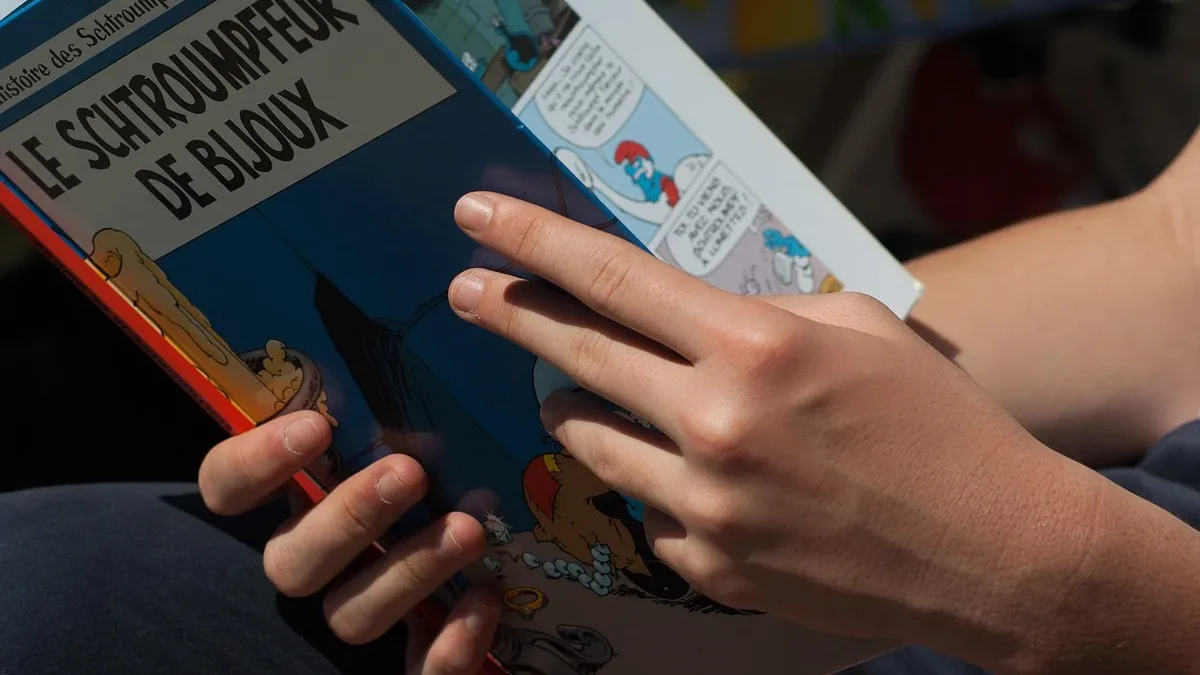
The jury for the tenth Prix Vendredi has selected ten French-language books for readers aged 13-18. The winner, to be announced on November 12, will...

Publishers Urged to Target Older Readers as Core Market
A new report from the Global Coalition on Aging and Rakuten Kobo argues that readers over 55 are a lucrative, growing, and underserved audience for...

Grand Prix du Roman Métis 2026 Announces 12-Book Shortlists
The juries for the Grand Prix du Roman Métis and its Readers' Prize have each selected 12 novels from an initial 30, moving closer to the December...

Publishers and booksellers reveal how they
Industry insiders explain the strategies behind book covers, blurbs, and store placements designed to persuade readers, highlighting the influence of