Horror Bookstores Rise in 2026 as Readers Seek Community
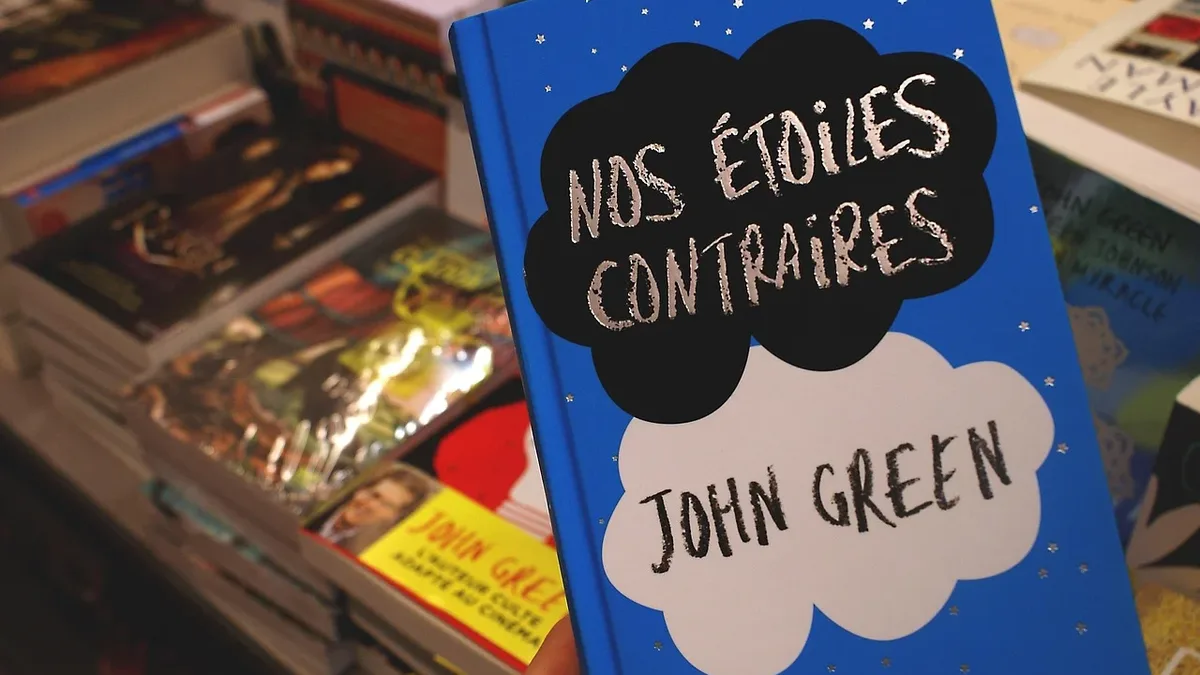
A wave of new horror-focused bookstores is opening, reflecting a trend toward niche retail and tactile community spaces in the book industry.
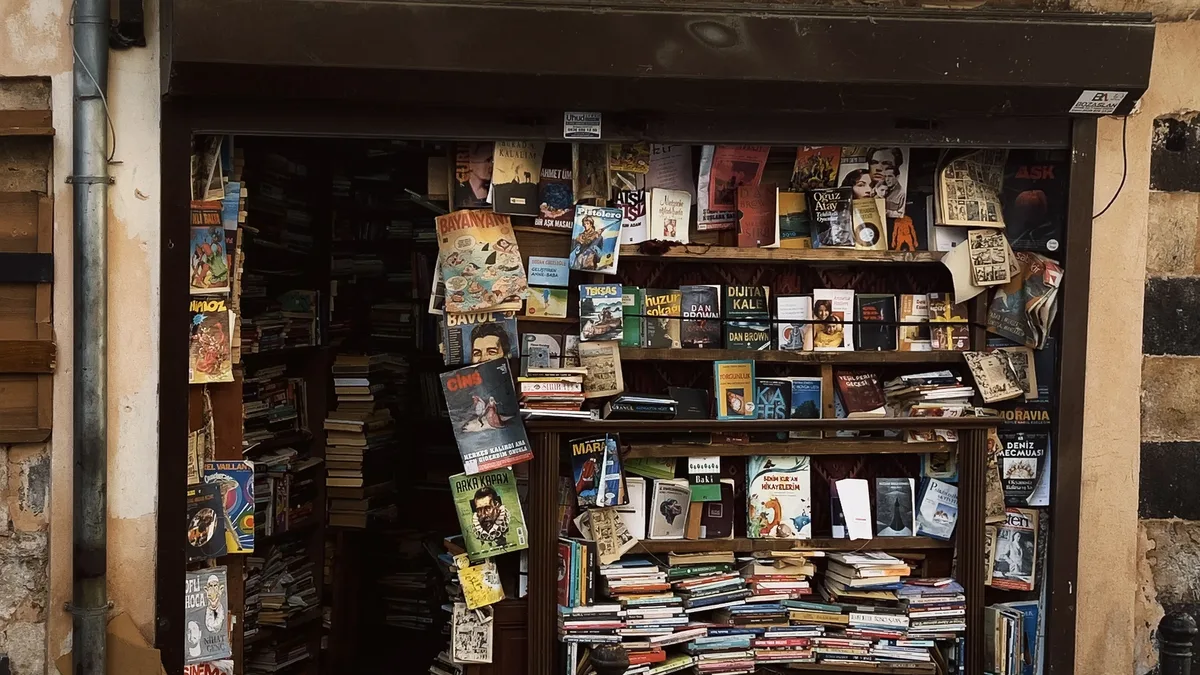
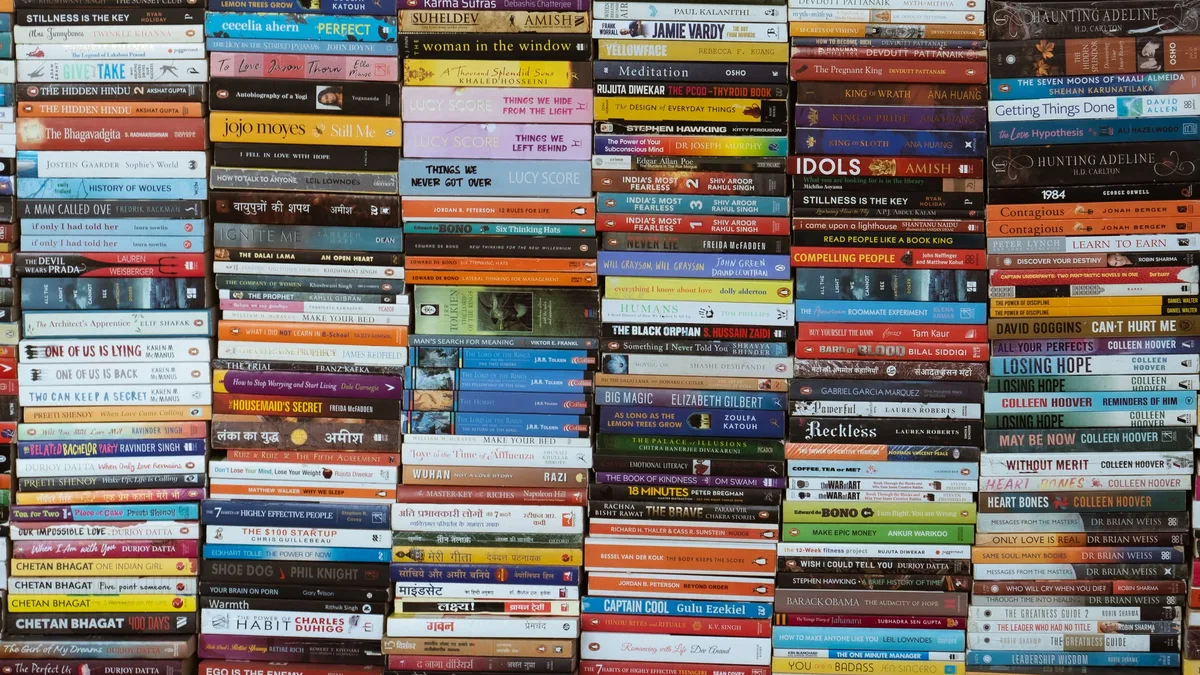
Horror bookstores are cropping up everywhere in 2026. This spookiest boom signals a rising interest in genre-specific retail as readers increasingly seek tactile, community-driven spaces. The trend emerges amid broader industry shifts where indie publishers face closures and digital platforms dominate attention. It reflects a cultural conversation about the intersection of literature, politics, and technology.
The Role of Chance in Discovering Books
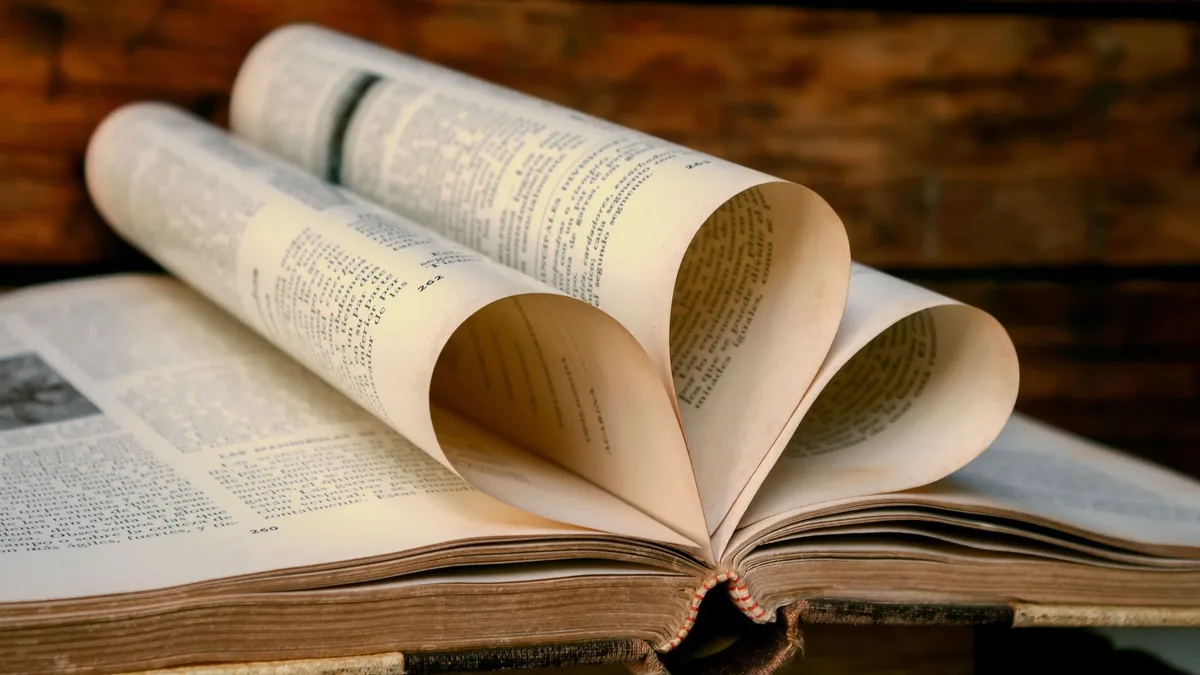
The physical bookstore offers an experience algorithms cannot replicate. It is built on the element of chance. This randomness prevents readers from filling their shelves only with expected titles. It encourages serendipitous finds. For many, the ultimate goal remains the discovery of a single, transformative book. The dream, even for a nonmonogamist like myself, is The One, the book that makes all others disappear, that enchants you completely and exclusively until the last page boots you back out into the world.
Amelia Soth highlighted this idea. "The element of chance is what prevents us from filling in the gaps with the things we already expect to see," she said.
Indie Publishers and the Heartbeat of the Industry
The health of these niche retail spaces is intertwined with the fate of independent publishers. These publishers are often the lifeblood for developing authors and daring projects. Their closure represents a significant loss. When indie publishers die, we lose the heartbeat of the industry, offering the few spaces to truly develop authors across their careers and take chances on projects. This creative risk-taking is essential for a vibrant literary culture.
Historical Notebooks and Their Fade into Obscurity
This focus on physical, community-centric spaces has a historical parallel in the work of Léo Keler. Keler documents the cahiers de doléances. These were notebooks made available in more than 16,000 town halls across France. They allowed people to put their concerns and frustrations into words. Despite their widespread use, these notebooks of public grievance largely faded into obscurity. They serve as a reminder of how even widely accessible tools for capturing public sentiment can be forgotten.
The current movement toward specialized bookshops fights against a similar cultural forgetting. It champions the physical object and the shared space. Ultimately, for the modern reader navigating this landscape, the powerful dream persists. It is the search for that one enchanted book that commands complete and exclusive attention.