
Literary
Origin and history
The concept of "literary" as a distinct category of writing originates from Western critical traditions, with its roots in classical antiquity. The term derives from the Latin "litterarius," pertaining to letters or learning, and its modern critical usage began to solidify in the 18th century. This period saw the rise of the novel as a serious form, prompting distinctions between popular storytelling and works with artistic ambition. The 19th century further established literary canons, often centered on national traditions and the emerging figure of the author as a creative genius. Throughout the 20th century, the definition was repeatedly challenged and expanded by various schools of criticism, including formalism, structuralism, and postcolonial theory. Today, the category remains dynamic, continually debated in academic and cultural spheres rather than being fixed by any single authority.
What it is for
Literary writing primarily serves to explore human experience, consciousness, and societal structures through a heightened focus on aesthetic form and language. It aims to provoke thought, elicit emotional resonance, and offer complex insights rather than merely delivering plot or information. A key function is its capacity for cultural critique, examining power dynamics, moral ambiguities, and historical narratives. It also preserves and innovates upon language itself, often expanding the possibilities of expression within a given tongue. Furthermore, literary works create a shared cultural touchstone, allowing for dialogue across time and space about fundamental questions of existence. The category encourages slow, reflective engagement from the reader, valuing ambiguity and multiple interpretations over definitive answers.
Best Literary books
Defining the "best" literary books is inherently subjective and shifts with cultural perspectives, but certain works maintain a persistent presence in critical discourse. Examples often include Leo Tolstoy's "Anna Karenina," which examines the interplay of personal desire, social hypocrisy, and philosophical inquiry within 19th-century Russia. The works of William Shakespeare, such as "Hamlet," remain foundational for their profound exploration of character, language, and existential drama. Toni Morrison's "Beloved" is a modern cornerstone, using innovative narrative structures to confront the legacy of slavery and trauma. Other perennial candidates include Miguel de Cervantes' "Don Quixote," often considered the first modern novel, and Gabriel García Márquez's "One Hundred Years of Solitude," a pinnacle of magical realism that chronicles familial and national history.
Best books by Literary
This heading is based on a categorical misunderstanding; "Literary" is not an author but a descriptor of a genre or mode of writing. Therefore, there are no books "by Literary." A proper list under this heading would require specifying a particular literary author, such as "Best books by Virginia Woolf" or "Best books by Ernest Hemingway." For instance, the best books by Virginia Woolf might include "Mrs. Dalloway," "To the Lighthouse," and "Orlando," each celebrated for their pioneering narrative techniques and exploration of consciousness. Similarly, the best books by Fyodor Dostoevsky could be considered "Crime and Punishment," "The Brothers Karamazov," and "Notes from Underground," noted for their psychological depth and philosophical intensity. The question underscores the need to identify a specific creator when discussing a body of work, as the literary field comprises countless individual authors.
Overview
The literary genre encompasses written works valued primarily for their aesthetic qualities, intellectual depth, and innovative use of language, rather than solely for entertainment or utility. It includes forms such as the novel, short story, poetry, drama, and non-fiction essays when these demonstrate significant artistic ambition. A central characteristic is its emphasis on thematic complexity, layered symbolism, and nuanced character development that resists simple categorization. Literary works often engage intertextually, referencing and reworking earlier texts and traditions, placing themselves within a broader conversation. The genre is institutionally supported by publishing imprints, academic criticism, prizes, and curricula, which shape but do not definitively control its boundaries. Ultimately, its definition is contingent and contested, reflecting evolving cultural values and critical priorities over time.
What to know
It is crucial to understand that "literary" is not a synonym for "good" but a descriptor of intent and convention, and many excellent works exist outside its traditional boundaries. The distinction between literary and genre fiction (like mystery or science fiction) is increasingly porous, with many authors blending conventions. Literary status is often retrospectively conferred, with many now-canonical works having been initially popular or dismissed. Reading literary work typically demands a different pace and attention than reading for plot, focusing on language, structure, and subtext. The canon of literary works has been rightly criticized for historical biases, leading to vital efforts to expand it to include more diverse voices and perspectives. Furthermore, a book's literary merit can be significantly affected by translation, as the translator's skill in conveying style and nuance is paramount.
Common questions
A common question is whether a book can be both entertaining and literary, to which the answer is yes; many literary novels feature compelling plots, but their primary aim remains thematic exploration. Readers often ask how to identify a literary book, with indicators including prestigious awards, inclusion in academic syllabi, and reviews that emphasize prose style and philosophical weight over plot summary. Another frequent inquiry concerns the difference between literary fiction and classic literature, where "classic" typically denotes age and enduring status, while "literary fiction" often refers to contemporary works with similar artistic ambitions. Many wonder if literary books are inherently difficult, and while they can challenge readers, their difficulty is not a requirement but often a byproduct of their complexity. Questions also arise about the relevance of literary fiction in the modern era, though its role in examining contemporary issues through a deep human lens remains significant. Finally, readers ask for entry points into literary fiction, often guided toward accessible yet profound authors like Kazuo Ishiguro, Alice Munro, or George Saunders.
Pros and cons
A significant pro of engaging with literary works is the depth of intellectual and emotional engagement they offer, often providing lasting insights into the human condition. The focus on language can enrich a reader's own vocabulary and appreciation for linguistic artistry. However, a common con is that some literary fiction can prioritize style and theme at the expense of narrative drive, leading to a pace some readers find slow or frustrating. Another drawback is that the genre's culture can sometimes feel elitist or insular, alienating readers who feel their tastes are being judged. A genuine mistake is approaching a literary novel solely for a fast-paced plot, which often leads to disappointment; readers who regret choosing it typically seek uncomplicated entertainment. Conversely, the density and ambiguity can be profoundly rewarding for those willing to invest the time and mental energy, making it unsuitable for readers seeking light diversion or clear, unambiguous conclusions.
Who it suits
Literary books suit readers who enjoy slow, reflective reading and are willing to sit with ambiguity and unresolved questions. They are ideal for those interested in psychology, philosophy, history, and societal structures, as these themes are frequently explored in depth. This genre suits individuals who appreciate beautiful, precise, or innovative prose and read with attention to sentence-level craftsmanship. It is well-matched for students and scholars of literature, as well as writers seeking to understand narrative technique and stylistic possibility. Readers who enjoy discussing and analyzing books, parsing symbolism, and debating interpretations will find a rich community around literary works. It is less suited for readers who primarily seek escapist entertainment, fast-paced action, straightforward plots, or clear moral resolutions, as these are often secondary concerns in literary fiction.
Latest Literary news
Latest reporting
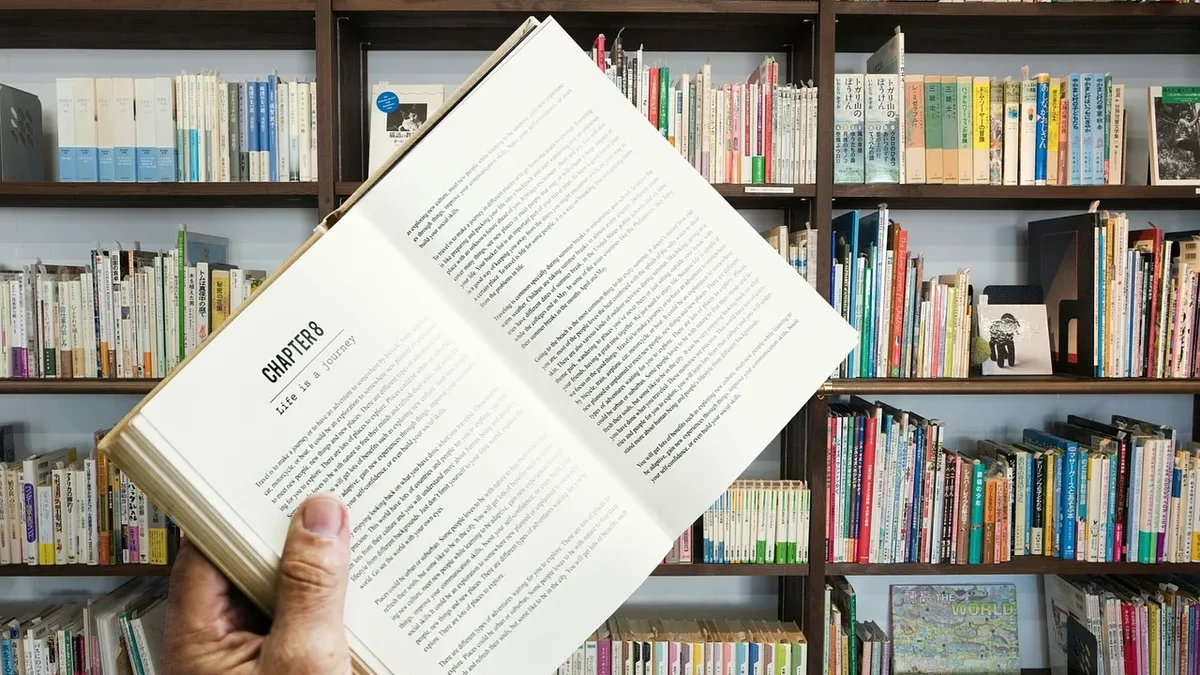
Lit Hub's September 2026 literary essays and reviews
Lit Hub Daily's September 24, 2026 edition offered a seasonal book selection flowchart and advice for writers, alongside essays on legacy, craft, and...
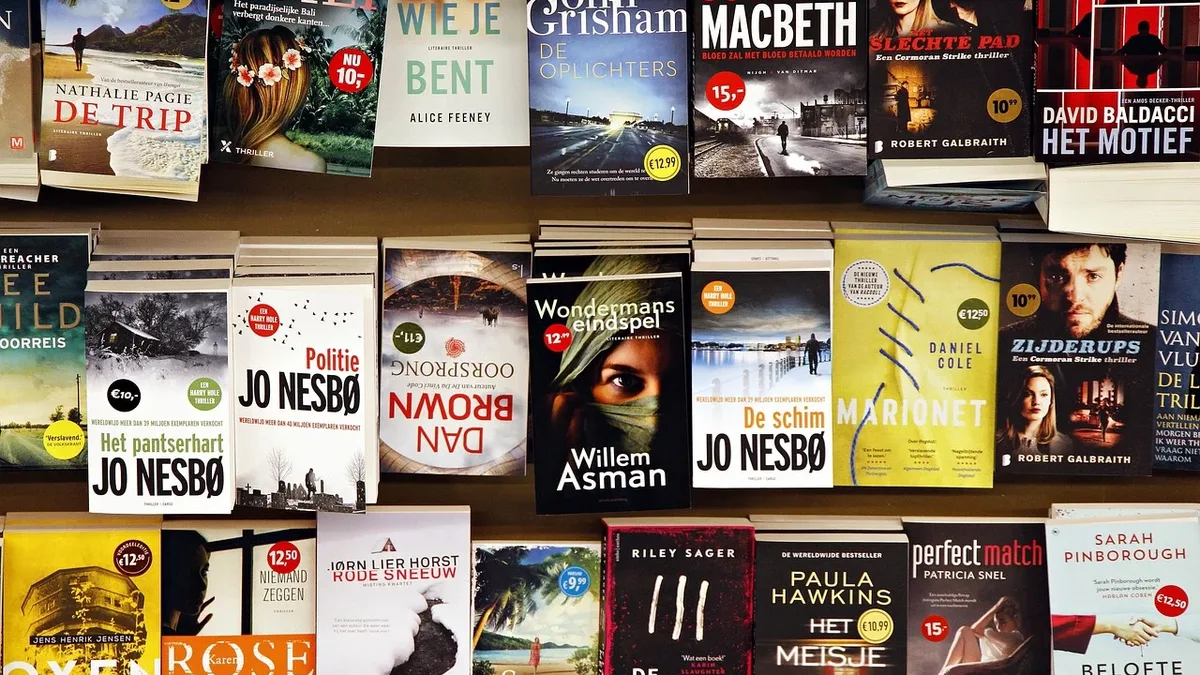
Agents Predict Trends at Frankfurt Book Fair 2026
Literary agents at the Frankfurt Book Fair highlight rising interest in horror, traditional space opera, and fiction from smaller language markets...

Ed Park's 'Personal Days' hailed as a comic
Writer James Folta praises Ed Park's debut novel 'Personal Days' as one of the best comic novels ever, highlighting its unique office humor and...

Literary Agent Jennifer Herrera on Grief and Narrative
Literary agent Jennifer Herrera recounts her struggle to apply her professional narrative-shaping skills to her own grief after her mother's death...

Le Livre sur la Place 2026 Sets Literary Program
The 48th Le Livre sur la Place event in Nancy will run from September 11-13, 2026, featuring many authors and a focus on youth programming

Chloe Benjamin Recommends 10 Hopeful Sci-Fi and Fantasy
Author Chloe Benjamin shares a personal list of literary science fiction and fantasy novels that inspired her own genre work and offer hope, citing...