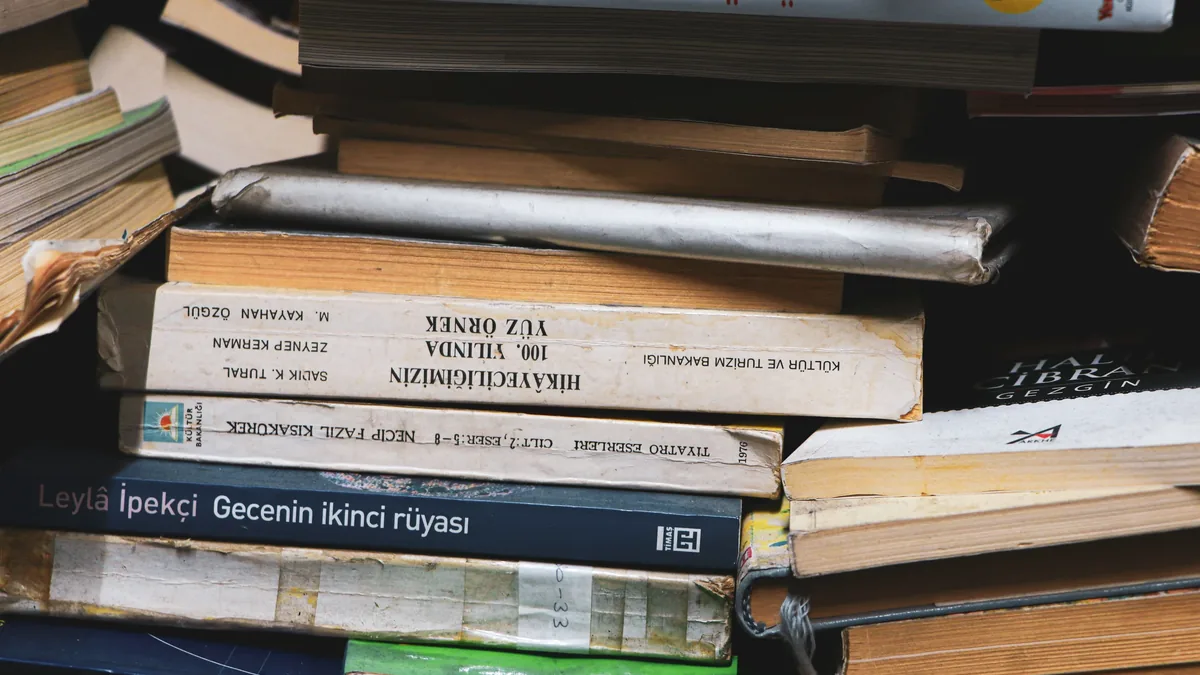
Books In Translation
Origin and history
The concept of "Books In Translation" as a distinct literary category is not tied to a single point of origin but is a fundamental and ancient component of global literature. The systematic translation of texts for cultural and scholarly exchange dates back millennia, with early centers of activity including the ancient Library of Alexandria and the translation of Buddhist sutras from Sanskrit into Chinese. In the Western tradition, major translation movements include the medieval translation of Greek and Arabic philosophical works into Latin in places like Toledo, Spain, and the proliferation of Bible translations during the Reformation. The modern recognition of translated literature as a specific market segment, with dedicated prizes and review spaces, solidified in the latter half of the twentieth century. This was driven by post-war cultural exchange, the growth of international publishing conglomerates, and advocacy from organizations like PEN. The term now formally encompasses any literary work published in a language other than its original language of composition.
What it is for
Books In Translation serve the primary function of allowing literature to cross linguistic and cultural boundaries, granting readers access to stories, ideas, and perspectives from outside their own language sphere. They are essential for cultural exchange, fostering global understanding and challenging parochial worldviews by presenting different societal norms, historical experiences, and philosophical traditions. For scholars and students, they provide crucial access to primary texts and contemporary thought from around the world, enabling academic study and comparative analysis. For publishing industries in receiving countries, they diversify catalogues, introduce new literary styles, and satisfy reader demand for international voices. For authors, translation vastly expands their potential audience, allowing their work to achieve global recognition and influence. The practice also acts as a vital preservation tool, bringing marginalized or endangered-language literatures to a wider readership and ensuring their continued relevance.
Best Books In Translation books
Notable examples often include seminal works that have profoundly influenced global literature, such as Miguel de Cervantes' "Don Quixote," translated from Spanish into countless languages since the early 17th century. Twentieth-century staples frequently cited are Gabriel García Márquez's "One Hundred Years of Solitude" (translated from Spanish by Gregory Rabassa) and Albert Camus's "The Stranger" (translated from French by Stuart Gilbert). The Norwegian novel "Kristin Lavransdatter" by Sigrid Undset, translated by Tiina Nunnally, is celebrated for its historical depth and nuanced translation. From Japanese, Haruki Murakami's "The Wind-Up Bird Chronicle," translated by Jay Rubin, is a modern landmark, while Elena Ferrante's Neapolitan novels, translated from Italian by Ann Goldstein, have achieved recent international acclaim. The Dutch novel "The Discovery of Heaven" by Harry Mulisch, translated by Paul Vincent, is also widely regarded for its complex philosophical narrative and masterful translation.
Overview
Books In Translation constitute a vast and heterogeneous category encompassing every genre, from fiction and poetry to non-fiction, academic texts, and children's literature. A translated book is typically the product of collaboration between the original author, the translator, and editors at both the originating and receiving publishing houses. Key bibliographic information for any entry in this category must include the original author's name, the original language and title, the translator's name, the publisher of the translated edition, and the publication date of that specific edition. The quality and approach of the translation itself are critical components, with choices ranging from strict linguistic fidelity to more adaptive cultural localization, each carrying significant implications for the reader's experience. Reviews and critical assessments of translated works often consider the translator's skill as a distinct artistic contribution to the final work. The category is dynamically tracked through dedicated prizes like the International Booker Prize and the PEN Translation Prize, which highlight excellence in the field.
What to know
Readers should understand that a translation is an interpretation, not a transparent window into the original text, and different translators can produce markedly different versions of the same work. It is crucial to check the translator's name and the copyright page to identify the specific edition, as older translations may use dated language or reflect different scholarly understandings. Some publishers, such as New York Review Books Classics and Archipelago Books, have built strong reputations for their commitment to high-quality literary translations. The financial and contractual ecosystem for translations is complex, involving rights sales, advances, and royalties shared between author and translator, which can affect which books get translated. Reading a translated book often requires a degree of cultural openness, as references, humor, and syntactic structures may remain unfamiliar or deliberately foreignized. Supporting translated literature directly contributes to a more diverse literary landscape and encourages publishers to take risks on works from less commercially dominant languages.
Common questions
A frequent question is whether something is "lost in translation," to which the answer is that while some linguistic nuances are inevitably altered, a skilled translator seeks to creatively compensate and convey the work's essence. Readers often ask how to choose between multiple translations of a classic work, with guidance typically suggesting comparing sample passages and consulting reviews that discuss the translators' specific philosophies. Many inquire if translators work closely with living authors, which varies from extensive collaboration to no contact at all, depending on the author's preference and the contractual arrangement. A common logistical question is why a book popular abroad takes years to appear in English, which relates to the lengthy process of securing translation rights, finding a willing publisher and translator, and the actual work of translation and editing. People also ask if reading a translation is "cheating" or less authentic, which most scholars reject, arguing that translation is a legitimate and necessary path to accessing world literature. Questions about the translator's visibility often arise, with increasing advocacy for the translator's name to be prominently featured on covers and in marketing materials.
Pros and cons
However, a genuine con is that the translation process can inadvertently flatten linguistic specificity, regional dialects, or culturally embedded wordplay, no matter the translator's skill. Readers may sometimes regret choosing a translation that is excessively archaic or overly liberal in its adaptations, feeling disconnected from the author's purported style. A common mistake is assuming all translations are functionally equivalent, leading readers to miss out on a more resonant version due to lack of research. The financial precariousness of translation also means many important works, particularly from smaller languages, never get translated at all, or are published by small presses with limited distribution, making them hard to find.
Who it suits
This category suits curious readers who are eager to explore perspectives beyond their own cultural and linguistic context and who enjoy the intellectual engagement of encountering different societal frameworks. It is ideal for students and scholars of comparative literature, world history, and area studies who require access to primary narrative sources from other regions. Avid literary fiction readers seeking to experience the full range of global storytelling, as highlighted by international prize lists, will find it essential. It also suits readers who appreciate understanding the mechanics of language and the art of interpretation, as reading translations often involves meta-awareness of the craft. Patrons of independent bookstores and libraries that champion diverse collections are a natural audience, as they often seek out translated works to broaden their community's reading habits. Finally, it suits writers and creators looking for inspiration outside the conventions of their own national literary tradition, finding new forms and themes in translated works.
Latest Books In Translation news
Latest reporting
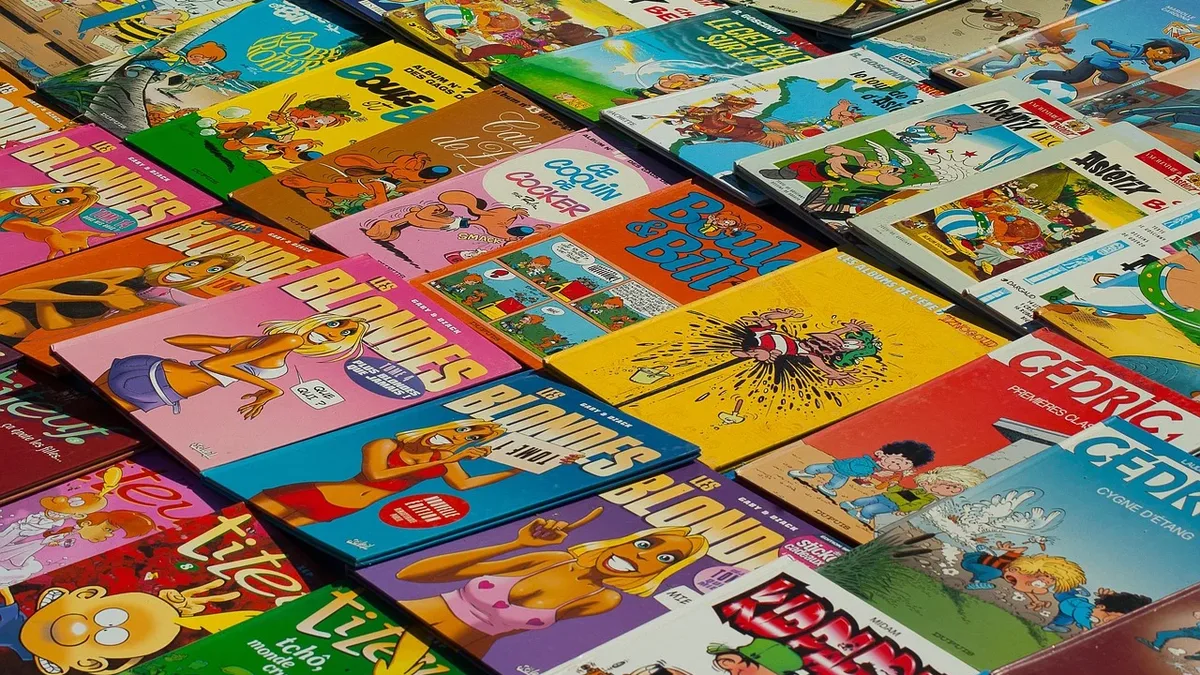
New Children's Books October 2026 Releases Announced
A slate of ten new children's and young adult books, from board books to YA novels, will be published by major houses in October 2026, featuring

New translated books fiction poetry 2026
Six new international fiction and poetry titles in translation are highlighted for September 2026, exploring identity, history, and societal critique
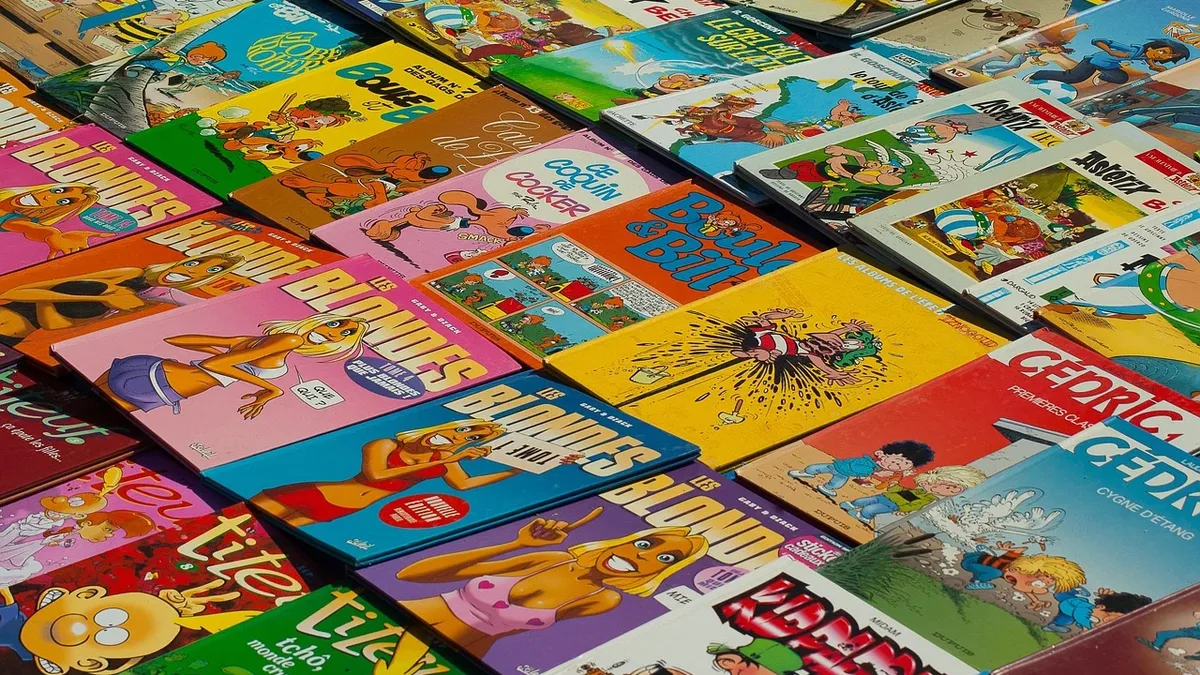
Authors Share Cultural Pride in New Children's Books
Four authors discuss their new children's books, which aim to shows Hispanic and Latinx history and culture for young readers during Heritage Month.
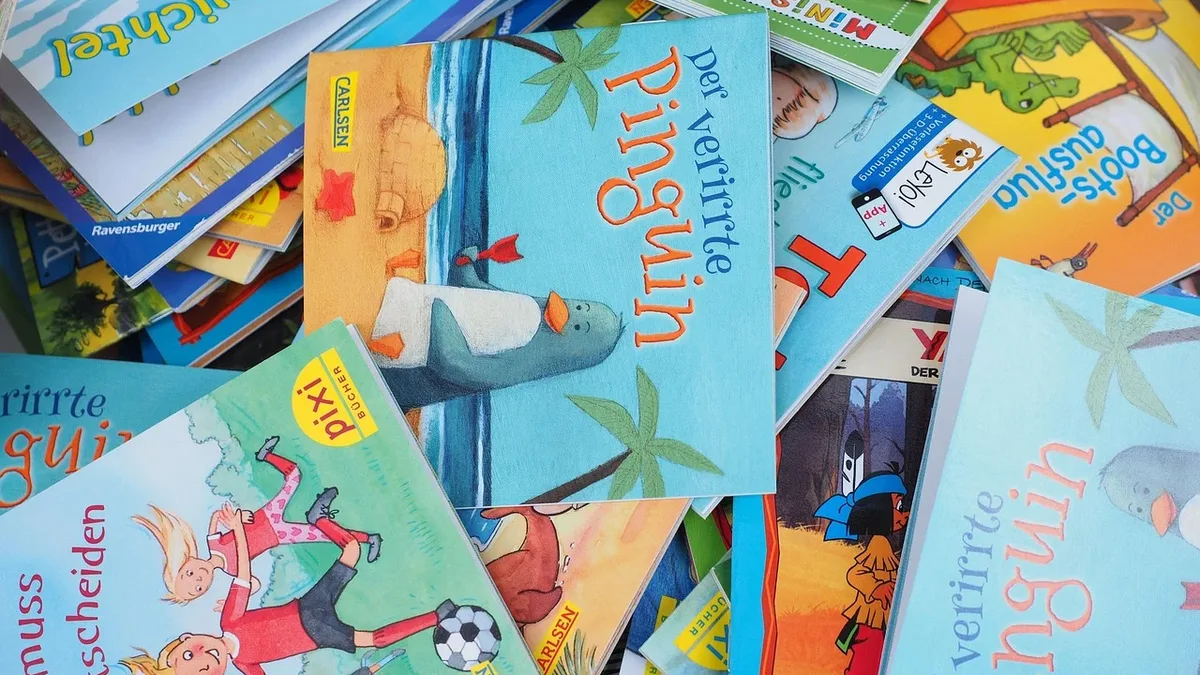
World Kid Lit Month 2026 Spotlights Nine New Translations
Words Without Borders marks the 10th World Kid Lit Month with a list of nine newly translated picture books, middle-grade, and young adult titles from
Indie Spotlight Shows New Picture Books
Publishers Weekly highlights 14 new independently published picture books, sharing author statements on themes of play, growth, and nature.
Open Books 2026 Sets Frankfurt Reading Festival
The 18th Open Books festival will run from October 6-10 alongside the Frankfurt Book Fair, featuring 200 authors in 144 free events.