
New Releases
Origin and history
The concept of "New Releases" as a curated list or genre within bookselling is a product of modern commercial publishing and retail practices. Its origins are tied to the development of the publishing industry in Europe and North America during the 19th and 20th centuries. The systematic promotion of newly published titles gained prominence with the rise of dedicated book review sections in newspapers and periodicals. The practice became formalized in the late 20th century with the advent of chain bookstores and online retailers, which used "New Releases" as a standard marketing category. This categorization allows publishers to coordinate promotional efforts for books within specific time windows, typically monthly or seasonally. The digital age has further cemented its importance, with algorithmic feeds on retail platforms constantly highlighting recent publications.
What it is for
The primary function of a New Releases list is to inform potential readers of recently published books that are newly available for purchase. It serves as a vital discovery tool within the book market, bridging the gap between a book's publication date and its adoption by readers. For publishers and authors, placement on such lists is a key component of launch strategy, aiming to generate initial sales momentum and critical attention. For booksellers, both physical and online, these lists drive inventory turnover and create a sense of timely relevance for their customers. The category also assists librarians and collection development officers in making timely acquisitions. Furthermore, it provides a structured temporal framework for book reviewers, awards committees, and literary journalists to focus their coverage.
Best New Releases books
There is no definitive list of "best" New Releases books, as the quality and reception of any new title are subjective and unfold over time. However, books that later achieve significant critical acclaim, commercial success, or literary awards often first gain visibility through prominent New Releases lists. For example, many Pulitzer Prize or Booker Prize winners were initially featured in the New Releases sections of major publications like The New York Times or The Guardian upon their publication. The "best" titles in any given New Releases cycle are typically those that demonstrate exceptional craft, address timely themes, or introduce a significant new voice. The ultimate judgment of a book's quality usually occurs years after its initial release.
Best books for New Releases
The books most effectively served by the New Releases category are those whose relevance is inherently time-bound or which benefit from immediate public discourse. This includes topical non-fiction on current events, political analyses, or popular science tied to recent discoveries. Debut novels from unknown authors heavily rely on New Releases visibility to establish their presence in a crowded market. Books by established authors with a loyal fanbase also utilize this category to alert their existing readers to a new work. Genre fiction, such as mystery, romance, and science fiction, often sees strong performance in New Releases due to dedicated genre readers seeking the next installment in a series or the latest from favorite authors. Conversely, scholarly monographs or highly specialized academic texts may gain less practical benefit from general New Releases lists, as their audience uses different discovery channels.
Overview
A New Releases list is a time-sensitive catalog of books that have recently become commercially available, typically within the current or preceding month. It is a genre of merchandising rather than a literary genre, encompassing all categories of fiction and non-fiction. The criteria for inclusion are primarily chronological, based on the official publication date set by the publisher, though some lists may also consider anticipated popularity or editorial selection. These lists are maintained by retailers, book review publications, libraries, and online platforms. They provide a standardized snapshot of the contemporary publishing landscape at any given moment. The lifespan of a book within the "New Releases" category is deliberately short, often lasting only a few weeks before it is succeeded by the next cycle of publications.
What to know
The publication date listed for a book is its official release date, often referred to as the "on-sale" date, from which retailers are permitted to sell the book. A book's presence on a New Releases list does not imply endorsement by the listing entity; it is a neutral report of availability. Different outlets curate their New Releases lists with varying degrees of selectivity, from comprehensive inventories to highly curated picks. Translation release dates are separate from the original language publication date and will be listed based on the translated edition's launch. Pre-orders are commonly counted toward a book's first-week sales, which can propel it onto bestseller lists that are distinct from, but often related to, New Releases features. The "window" for a new release is critically important in publishing economics, as a significant portion of a book's total sales often occurs within its first few months.
Common questions
A common question is whether a book can be considered a "new release" if it is a reprint or a new edition of an older work; typically, only substantially revised editions or anniversary editions are included, while simple reprints are not. Readers often ask how long a book stays in the New Releases category, which varies by retailer but is generally between one to three months after publication. Another frequent inquiry concerns the difference between "New Releases" and "Bestsellers"; the former is based on recent publication date, the latter on current sales velocity, though there is often overlap. People also ask if self-published or independently published titles appear on mainstream New Releases lists, which depends on the list's sourcing but is increasingly common through distribution partnerships. Questions about international release dates are common, as a book may be a new release in one country but not yet available in another. Lastly, readers inquire if libraries acquire all new release titles, which they do not, as library selections are based on collection policies and anticipated patron demand.
Pros and cons
A primary advantage of the New Releases category is its function as a centralized and efficient discovery tool, reducing the effort for readers to learn about freshly published books. It creates a fair, time-based platform where a debut author can theoretically appear alongside an established bestseller. For the industry, it generates a predictable rhythm of promotion and media coverage. A significant drawback is that it can contribute to an overcrowded, ephemeral marketplace where books are pressured to find an audience immediately or risk being quickly overshadowed by the next wave of releases. This can disadvantage slower-burning, complex works that benefit from word-of-mouth over time. Readers may regret choosing books solely based on their "newness," potentially overlooking superior older titles that are still in print. A common mistake is conflating the marketing momentum of a new release with inherent quality, leading to disappointment when a heavily promoted book does not meet personal taste.
Who it suits
New Releases lists are particularly suited to avid readers who prioritize staying current with contemporary literature and cultural discourse. They are essential for book reviewers, journalists, and industry professionals whose work requires up-to-date knowledge of the publishing landscape. Casual readers who enjoy the social aspect of discussing recently published books with peers also benefit from these lists. The category suits readers with specific interests in time-sensitive topics, such as current affairs or the latest trends in popular fiction genres. It is less suited to readers on a strict budget, as new releases are almost always offered at full hardcover or premium paperback prices, unlike older titles available at discount or used. It is also less ideal for readers whose interests are primarily in the literary canon or backlist titles, as the focus on the new can obscure the vast depth of already-published works.
Latest New Releases news
Latest reporting
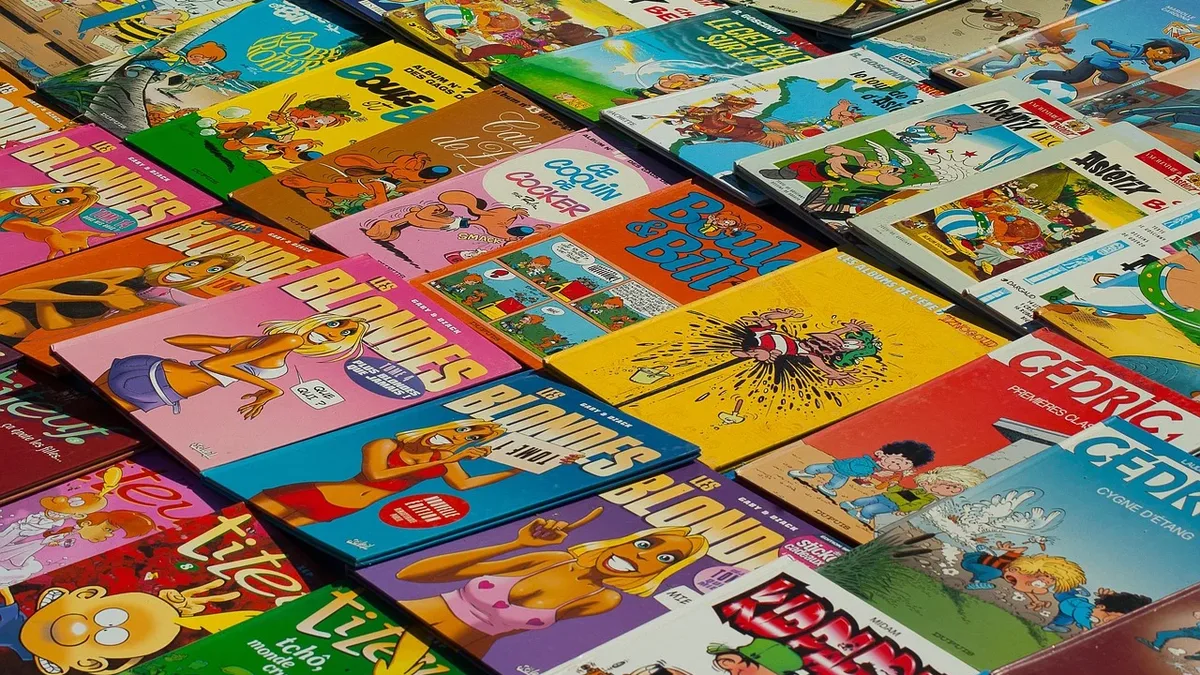
New Children's Books October 2026 Releases Announced
A slate of ten new children's and young adult books, from board books to YA novels, will be published by major houses in October 2026, featuring

Terry Eagleton's Meditations on Death
At 83, theorist Terry Eagleton releases a book of meditations on mortality, critiquing cultural attitudes and exploring death's philosophical...

New Book Reviews: Exploring the Latest Releases
This week's book reviews cover a range of new releases, including Rachel Cusk's Life of M, Jordy Rosenberg's Night Night Fawn, and Dorthe Nors's Range

August 18, 2026: New Releases, Author Insights, and Literary Reflections
Today's literary highlights include new book releases, author interviews, and essays exploring themes from grief to AI's impact on writing. Edwidge...