Frankfurt Book Fair
| Original use | Trade fair for the publishing industry |
|---|---|
| First created | Mid-15th century |
| Country of origin | Germany |
| Frequency | Annual |
| Primary location | Frankfurt am Main, Germany |
| Duration | Several days |
| Main focus | Rights trading and international business |
Origin and history
The Frankfurt Book Fair traces its origins to the city of Frankfurt am Main in the historical region of the Holy Roman Empire, in what is now Germany. Its early documented history begins in the 15th century, shortly after the invention of movable type printing by Johannes Gutenberg, who himself worked near Frankfurt. By the late 15th century, Frankfurt had emerged as a central hub for the book trade, with merchants and printers gathering to buy and sell manuscripts and printed works. The fair evolved from these medieval trade gatherings, formally establishing itself as a preeminent book trade event over subsequent centuries. While its continuity was disrupted by historical events like the Thirty Years' War, it regained prominence in the post-war period of the 20th century. The modern iteration of the fair was firmly re-established in 1949, solidifying its role in the contemporary international publishing industry.
What it is for
The Frankfurt Book Fair is a professional trade event primarily designed for the international publishing industry to conduct business, negotiate rights, and facilitate the global exchange of content. Its core function is to serve as a marketplace where publishers, literary agents, scouts, and film producers buy and sell translation and adaptation rights for books and other media. The fair provides a central platform for publishers from around the world to present their forthcoming titles and backlist catalogues to international partners and distributors. It is also a critical venue for professional networking, where industry relationships are built and maintained across national borders. Beyond commerce, the fair hosts a major public-facing component that allows direct engagement between authors and a broad reading audience through extensive programming. Furthermore, it functions as a key industry forum for discussing trends, challenges, and the future of publishing, storytelling, and media.
Pros and cons
The fair's systematic organization, including its detailed catalogue and appointments system, allows for efficient business scheduling over a short period. However, a significant con is its overwhelming size and intense pace, which can be exhausting and inefficient for unprepared attendees or smaller publishers who get lost in the crowd. The high costs associated with travel, accommodation, and booth rental can be prohibitive, leading some smaller presses to regret the financial outlay if they fail to secure meaningful partnerships. A common mistake is for attendees, particularly first-timers, to attempt to see everything, resulting in a schedule that is too fragmented to achieve substantive business discussions. Furthermore, the commercial focus can sometimes overshadow literary or artistic merit, with critics arguing it emphasizes marketability over pure literary value.
Who it suits
The Frankfurt Book Fair is most suited to established publishing industry professionals whose roles involve international rights sales, acquisitions, or distribution, such as rights directors, literary agents, and scouts. It is highly beneficial for medium-to-large publishing houses with the resources to maintain a significant presence and a substantial list of titles for international licensing. Academic and professional publishers seeking to connect with global library distributors and institutional partners also find targeted value in the fair's specialized halls and meetings. Conversely, it is less suited to individual authors without publisher representation, as the fair's structure is built around business-to-business transactions rather than direct author submissions. Small independent presses with very niche lists may find the scale daunting and the cost difficult to justify unless they have precise, pre-arranged goals. The fair also suits journalists, industry analysts, and trade media covering global publishing trends due to the concentration of announcements and news.
Latest Frankfurt Book Fair news
Latest reporting
Karim Kattan's Eden at Dawn is a National Book Award
Karim Kattan's French novel Eden at Dawn, translated by Jeffrey Zuckerman, is a finalist for the National Book Award for Translated Literature.

Lit Hub's September 2026 literary essays and reviews
Lit Hub Daily's September 24, 2026 edition offered a seasonal book selection flowchart and advice for writers, alongside essays on legacy, craft, and...

Lit Hub's Book Marks Highlights Five New Reviews
Lit Hub's Book Marks service has compiled five new book reviews, covering titles by Ashton Politanoff, Akbar Shahid Ahmed, Lars Anderson, Min Jin...

Sciences Humaines and Philosophy Magazine Launch 'MàJ' Book
Sciences Humaines Editions and Philosophy magazine have jointly launched a new book series called 'MàJ' to address generational misunderstandings.
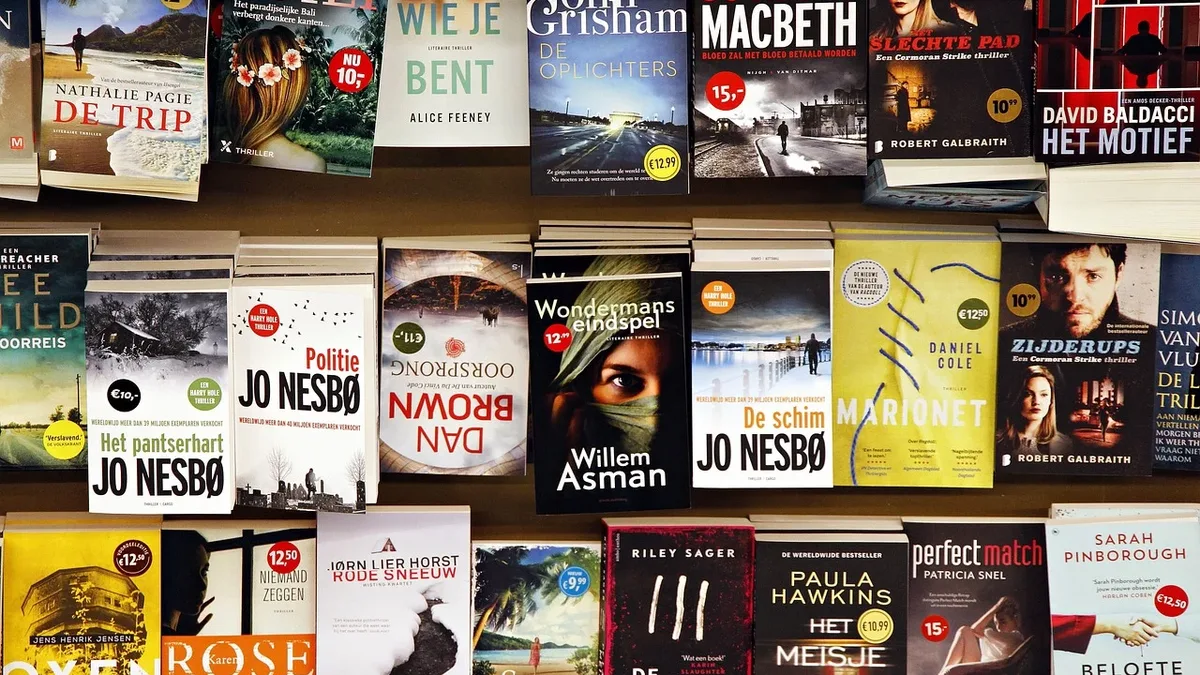
Open Books 2026 Sets Frankfurt Reading Festival
The 18th Open Books festival will run from October 6-10 alongside the Frankfurt Book Fair, featuring 200 authors in 144 free events.
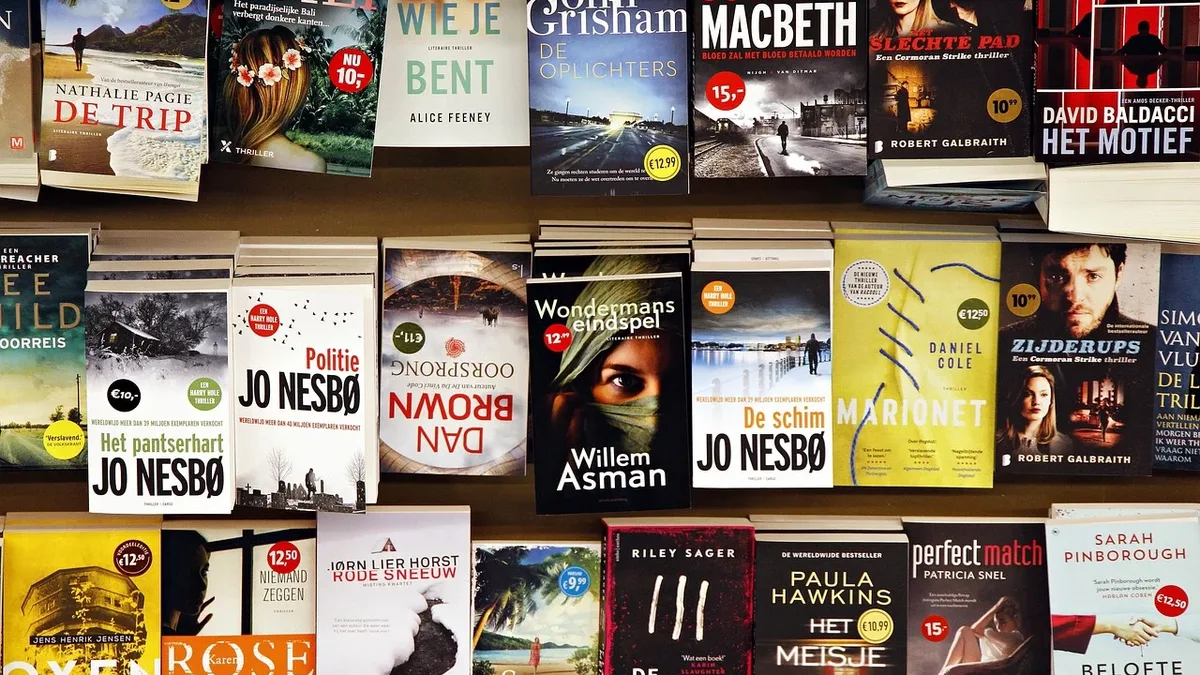
Agents Predict Trends at Frankfurt Book Fair 2026
Literary agents at the Frankfurt Book Fair highlight rising interest in horror, traditional space opera, and fiction from smaller language markets...