AAP, Authors Guild warn on library e-books
A publishing industry report claims library e-book lending hurts retail sales and opposes state laws regulating e-book licenses.
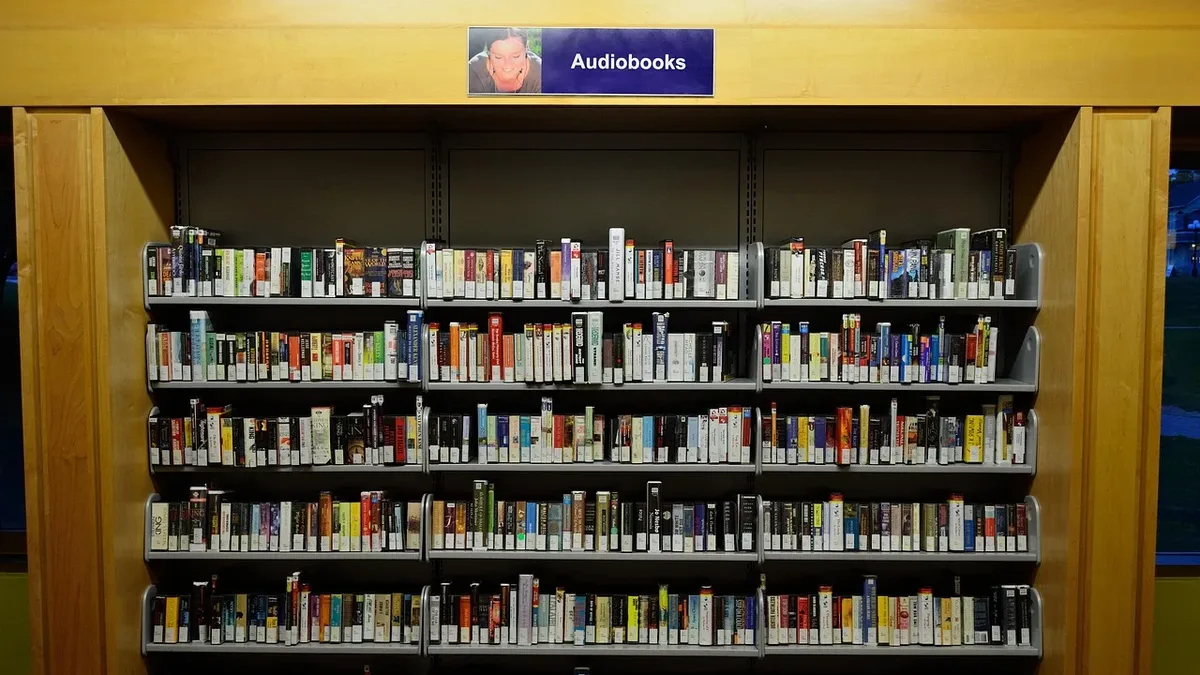
A new industry study concludes that increased library e-book lending is supplanting sales of print books, a finding that supports the industry's opposition to state laws on e-book licenses. The Association of American Publishers and the Authors Guild released the report as several states consider legislation on publisher-library e-book agreements.
The report, titled "An Empirical Study of the Impact of Library E-Lending on the Book Economy," was conducted by Secretariat Advisors. It predicts that forcing lower e-book prices or changing licensing terms for libraries, as some state bills propose, would cause further harm to commercial markets, including publishers, authors, and booksellers.
Industry Opposition to State Laws
In a joint statement, AAP president Maria Pallante and Authors Guild CEO Mary Rasenberger argued that government controls on library e-book distribution would undermine the commercial marketplace. They stated it would demand more digital copies for libraries for less money immediately upon publication. They also said fully funding libraries should be an urgent priority for all lawmakers, and that the mission of libraries and the intellectual property of authors and publishers are equally invaluable to the public interest.
Pallante and Rasenberger also addressed legal challenges. They noted that state governments lack constitutional authority to contradict the national copyright system, an apparent reference to a 2022 court decision that blocked a Maryland library e-book law. Their statement continued that the key to the future of books across all formats will not come from the statehouse but from ongoing private sector innovation. They added that debates in the states have polarized and confused discussions between licensors and licensees.
Despite this, new legislative approaches in states like Connecticut, New Jersey, and Illinois have been drafted to avoid copyright issues. The Connecticut law, for example, would bar state libraries from entering contracts that run counter to the library's mission.
Study Findings on Sales and Spending
The study's authors, Jéssica Dutra and Robert Stoner, state one recurring conclusion. Increased digital library access to e-books is consistently linked with a statistically significant reduction in retail book sales across formats.
The report provides figures on library collections and spending, highlighting a shift from print to digital. Public libraries had about 650 million printed materials and 1.5 billion electronic materials in 2023.
| Material Type | 2006 Expenditure | 2023 Expenditure | 2023 Collection Size |
|---|---|---|---|
| Electronic Materials | $125 million | $673 million | 1.5 billion items |
| Printed Materials | $900 million | $751 million | 650 million items |
Spending on printed materials saw its sharpest annual decline during the 2020 pandemic, dropping by 13.6%. The authors acknowledge that library collection budgets have not meaningfully increased even as they are expected to offer both formats.
Questioning Discoverability and Suggesting Solutions
The study questions the extent to which libraries contribute to book discoverability. It cites a report on Seattle Public Library usage, finding shifts to e-book lending are strongest early in a title's lifecycle and when print usage is high. The authors write that these patterns are consistent with genuine format substitution rather than library e-book share being associated with book discovery or market expansion.
They identify the ease of ordering e-books from home as key to the growth of e-book lending. To add friction, the study suggests tactics like windowing-delaying the release of an e-book or requiring a delay in library e-book lending. The authors cite a 2025 European Commission report that called such practices necessary for rightsholders to protect revenue streams. The study suggests windowing could be a potentially effective licensing option in the U.S.