Jean-François Colosimo Leads Cerf Publishing
Jean-François Colosimo, the director of Éditions du Cerf for 13 years, discusses his philosophy of publishing as intellectual disputation.
Jean-François Colosimo has directed the venerable Éditions du Cerf for 13 years. The theologian and editor, described as a 'taster of words' and a 'glutton for ideas,' brings his appetite to the publishing house, his own essays, and his documentary work for Arte.
Éditor and theologian Jean-François Colosimo is a singular figure in the book world. He says publishing remains the universe of medieval disputatio, or intellectual controversy. "In a bookstore you can buy a thesis and its opposite," he stated. "That is why I can publish authors with whom I disagree provided their argumentation is sound."
A Spiritual Foundation
Colosimo credits philosopher Pierre Boutang and mediologist Régis Debray as key influences, the latter praised for bringing religion into academic research. He has never lost sight of the spiritual element as a driver of societies. A Catholic who converted to Orthodoxy, he earned a Master of Divinity in New York before choosing a career in publishing over journalism.
After stints at Stock, Lattès, Odile Jacob, and CNRS éditions, he was recruited to lead Le Cerf by Jean-Paul Vesco, now the Archbishop of Algiers. I was able to reconcile my two lives, publishing and theology, Colosimo said of the move to the house founded and managed by the Dominican order.
Publishing to Discomfort
At the nearly century-old Cerf, Colosimo has broadened the list, bringing in a new generation of essayists. His selections have earned him a conservative image while also including left-wing authors.
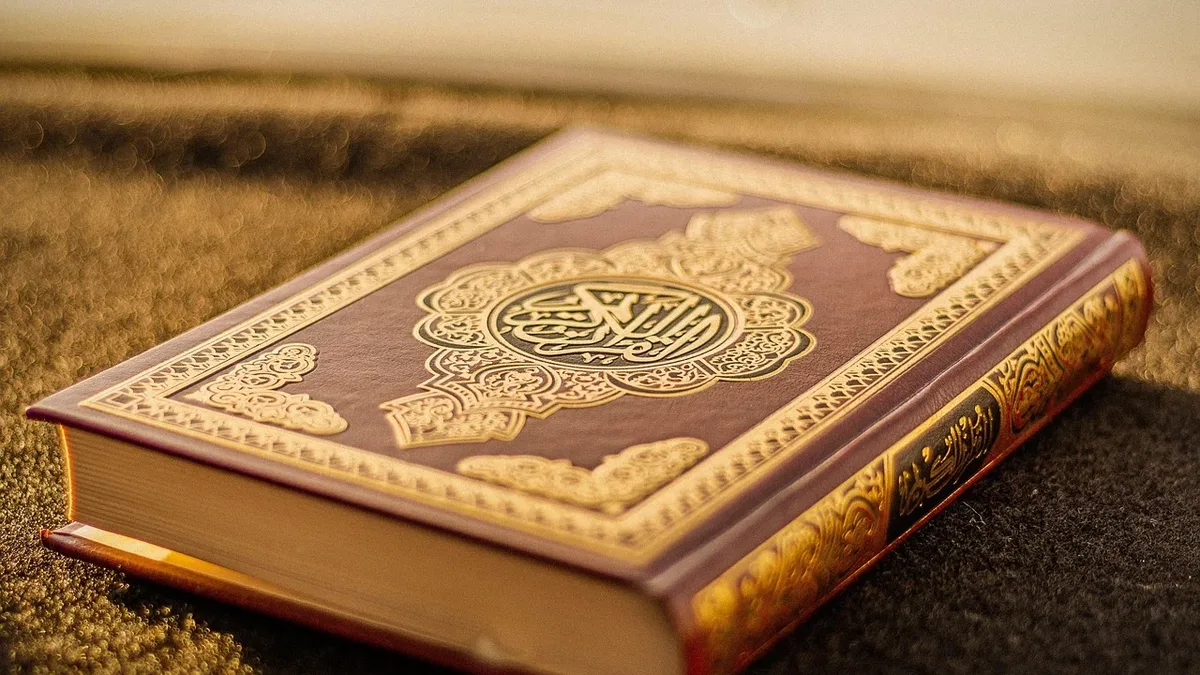
I do not publish to feed intellectual comfort, but to instruct, question, disturb, and shake up, he explained. This approach is evident in ambitious scholarly projects like the three-volume Coran des historiens published in 2019. He believes society rests on invisible, abstract principles, a theme central to his new essay, Quand la Chine vacillera.
The Pope of Publishing
A former head of France's National Book Centre from 2010 to 2013, Colosimo is watchful of industry changes. He warns that artificial intelligence will destroy jobs and cautions against technological ease, particularly in translation. To write, you need a body, and AI does not have one, he argued. He suggests a future with books certified as AI-free, akin to organic certification, and cites a need to own AI rather than be owned by it.
After 40 years in publishing, he focuses his own writing on religious fact as a key to explaining civilizations. He might have been a monk but has instead become what some call the pope of publishing, guided by a belief in trusting one's own judgment.