Khairani Barokka on Jakarta's Literary Pulse
Writer and artist Khairani Barokka describes the Indonesian capital as a city of sonic pulse-scapes, resilience, and literary energy in an interview for Words Without Borders.
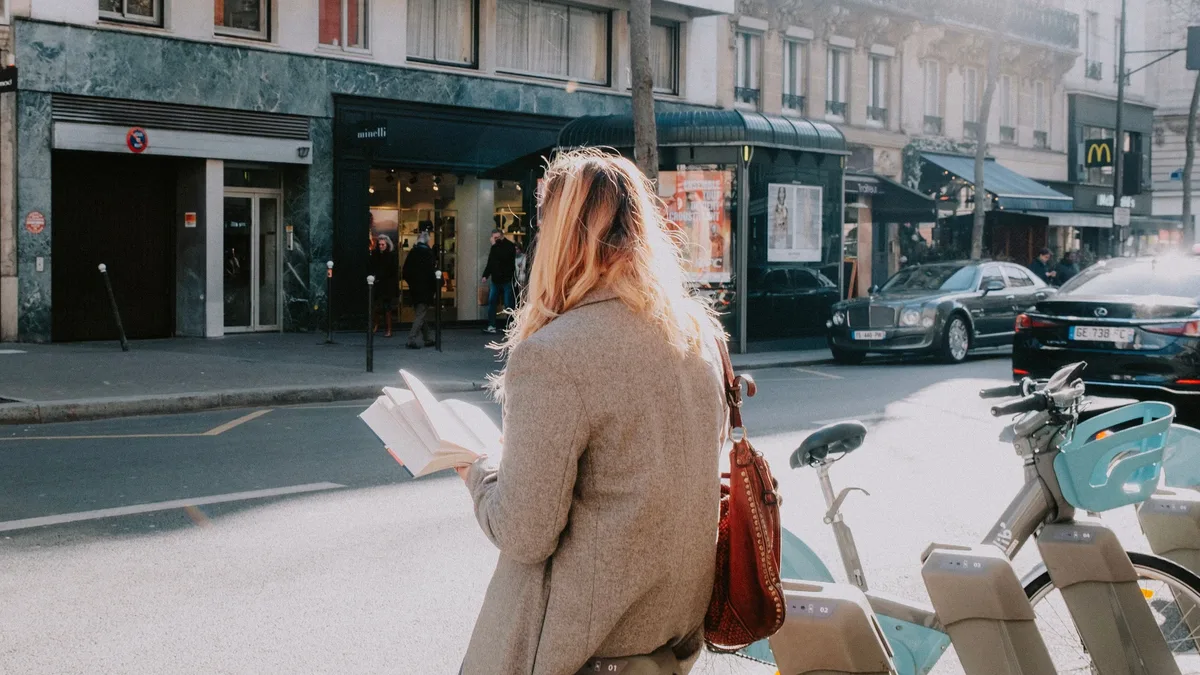
Writer and artist Khairani Barokka has characterized the Indonesian capital as a hypercapitalist place filled with unmappable alleyways and an unresting, sonic pulse-scape. In an interview for the City and the Writer series from Words Without Borders, the Jakarta-born, UK-based creator paints a portrait of her hometown defined by resilience, artistic resistance, and rapid change.
Barokka, whose work centers on disability justice and anticolonial praxis, describes a city of living heartbreaks, particularly for those who grew up in the aftermath of the 1965 to 66 genocide. She states that resistance has always existed there, despite certain Western narratives. Artists who have experienced unbearable things have always been creating, she notes, adding they are the ones who deserve to be heard the most.
Writers to Read from the City
When asked which writers from the metropolis people should read, Barokka lists several favorites. She recommends reading in Indonesian to grasp its literary essence. Her selections include Ziggy Zezsyazeoviennazabrizkie, Intan Paramaditha, and Cyntha Hariadi. She also highlights Hanna Fransisca, who captures the city's comedy, noting that migrant perspectives are vital to a full literary understanding of the place.
A Cultural Hub Under Threat
For Barokka, the iconic literary site in the city is the Taman Ismail Marzuki (TIM) cultural complex. This location houses the Jakarta Arts Institute (IKJ) and the Jakarta Planetarium, and has been a memory-making venue for countless artists across disciplines. It is a place of plays, readings, films, and late-night conversations. However, its future is uncertain. Barokka reports that artists have been demonstrating for months against plans for a commercial revitalization of the TIM complex. She describes these plans as potentially very destructive, calling the efforts to stop them well justified.
The City in Motion and a Personal Project
Barokka finds hidden cities within the metropolis in its vehicles and transit systems. She reflects on the hours spent in trains, buses, and on motorcycle taxis, noting that these moving spaces force prolonged contact and nurture relationships, humor, and a sense of collective. This kinetic observation allows residents to cement continually new forms of nostalgia as the cityscape shape-shifts over time.
Her own work is deeply tied to the city. Barokka explains that her book and fourteen-year art project, Annah, Infinite, was inspired in part by her late grandmother's celebration of Javanese girlhood. The project is juxtaposed against Paul Gauguin's painting Annah la Javanaise. A chapter titled Nightmares of 1965 explores holding one's breath due to colonial violence and how families experience art through overtaxed nervous systems.
Disability and Enduring Spirit
Barokka, who focuses on disability justice, points out that D/deaf and disabled people are everywhere in the capital but remain underserved by its infrastructure and attitudes. She notes that shifts are happening, but at a glacial pace. Underneath it all, she senses the spirits of indigenous disability justice cultures urging persistence. Ultimately, she sees passion everywhere in messy emotions, fiery activism, and in loving what may destroy us despite ourselves, and tricking it into laughing with us.