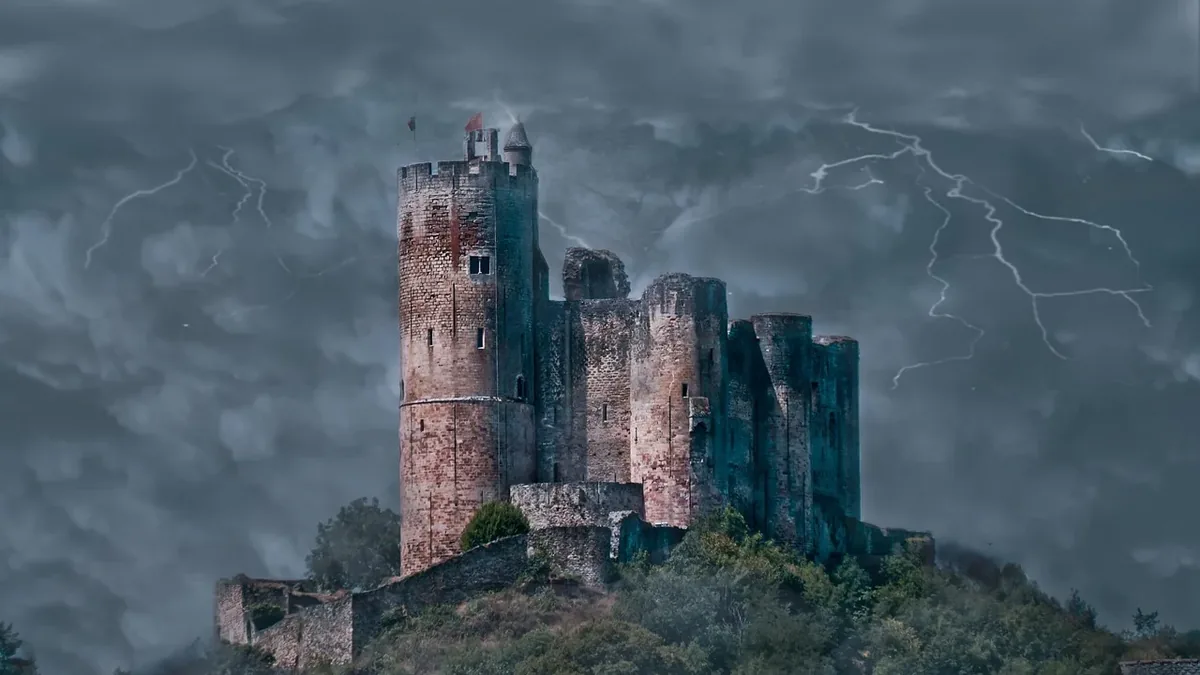
Horror
| Author | Name of the author or authors |
|---|---|
| Publisher | Name of the original publishing house |
| Original language | Language in which the book was first written |
| First published | Year of first publication |
| Translated by | Name of the translator (if applicable) |
| Translation published | Year the translation was first published |
Origin and history
The literary genre of horror finds its deepest roots in ancient mythologies and religious texts across the globe, which featured monstrous entities and tales of supernatural punishment. Its formal emergence as a distinct genre of fiction, however, is widely traced to the Gothic novel tradition of 18th-century Europe, particularly England. Horace Walpole's 1764 novel *The Castle of Otranto* is conventionally cited as the first work to establish the core Gothic conventions that would define horror. The 19th century saw the genre flourish with seminal contributions from authors like Mary Shelley, Bram Stoker, and Edgar Allan Poe, who moved it from medieval settings into more contemporary psychological and societal fears. The 20th century expanded horror into new subgenres through pulp magazines and paperback novels, with the works of H.P. Lovecraft and Shirley Jackson redefining cosmic and domestic terror. The genre continues to evolve, consistently adapting its forms to reflect the prevailing anxieties of each era, from nuclear dread to viral pandemics and existential crises.
What it is for
The primary function of horror literature is to evoke a visceral emotional response of fear, dread, and unease in the reader, often through the exploration of taboo subjects. It serves as a safe space to confront and examine profound human fears, including mortality, the unknown, loss of identity, and the breakdown of social order. Horror narratives frequently act as allegories for real-world societal issues, using monstrous metaphors to critique topics such as racism, class oppression, scientific hubris, and repressed sexuality. The genre provides a psychological release, allowing readers to experience intense fear within a controlled environment, which can lead to a cathartic effect. It also probes the limits of human understanding, questioning the nature of reality and what lies beyond the boundaries of accepted knowledge. Fundamentally, horror fiction holds a mirror to the darkest aspects of the individual and collective psyche, making the intangible terror tangible.
Best Horror books
This list presents foundational and highly influential novels that have defined the horror genre. Mary Shelley's *Frankenstein; or, The Modern Prometheus* (1818, Lackington, Hughes, Harding, Mavor, & Jones) explores the horrors of scientific ambition and parental abandonment. Bram Stoker's *Dracula* (1897, Archibald Constable and Company) codified the vampire mythos and Victorian anxieties about sexuality and foreign influence. Shirley Jackson's *The Haunting of Hill House* (1959, Viking Press) is a masterclass in psychological terror and the disintegration of self within a haunted space. Peter Straub's *Ghost Story* (1979, Coward, McCann & Geoghegan) examines the lingering power of guilt and the past. Toni Morrison's *Beloved* (1987, Alfred A. Knopf) uses the horror genre to confront the enduring, haunting trauma of slavery.
Best books for Horror
This section recommends critical and analytical texts for understanding the horror genre's mechanics and cultural impact. *Danse Macabre* (1981, Everest House) by Stephen King is a seminal nonfiction work analyzing horror in film, television, radio, and literature from 1950 to 1980. *H.P. Lovecraft: Against the World, Against Life* (1991, published in French by Éditions du Rocher; English translation 2005, McSweeney's) by Michel Houellebecq offers a critical biographical and philosophical study of a foundational horror author. *The Monster Show: A Cultural History of Horror* (1993, Penguin Books) by David J. Skal provides a comprehensive historical overview of horror's evolution in relation to 20th-century events. *The Philosophy of Horror* (1990, University Press of Kentucky) edited by Thomas Fahy, presents a collection of scholarly essays exploring the genre's philosophical underpinnings. *The Weird and the Eerie* (2016, Repeater Books) by Mark Fisher analyzes these specific modes of unsettling fiction, crucial for understanding modern horror. *Paperbacks from Hell: The Twisted History of '70s and '80s Horror Fiction* (2017, Quirk Books) by Grady Hendrix offers a detailed and illustrated history of the horror paperback boom.
Overview
Horror is a genre of fiction whose purpose is to create feelings of fear, dread, repulsion, and terror in its audience through the depiction of unsettling and often supernatural events. Its core themes are remarkably consistent, revolving around the intrusion of a threatening, anomalous force, be it a monster, a curse, a psychological break, or a malign place, into the ordinary world. The genre employs a wide arsenal of tropes and devices, including ghosts, demons, zombies, serial killers, cosmic entities, and body horror, to manifest these threats. Tone and atmosphere are paramount, often built through meticulous pacing, suggestive description, and the manipulation of the reader's point of view to maximize suspense and unease. Horror frequently intersects with other genres, such as science fiction, fantasy, and thriller, creating hybrid forms like sci-fi horror or the supernatural thriller. At its most effective, horror transcends simple scares to offer profound commentary on human nature, society, and the existential condition.
What to know
A key distinction in horror is between supernatural horror, which involves forces violating natural law, and psychological horror, where the threat may be ambiguous and stem from a character's mental state. The concept of "cosmic horror," pioneered by H.P. Lovecraft, posits an indifferent universe inhabited by incomprehensible entities, rendering humanity insignificant. The "final girl" trope, identified by film scholar Carol J. Clover, describes the last surviving female character in slasher narratives, but literary horror features a broader range of survivor archetypes. Horror is often categorized into subgenres such as body horror, folk horror, gothic horror, and extreme horror, each with its own conventions and focus. Understanding the difference between terror (the anticipation of horror) and horror (the moment of revulsion or confrontation) is crucial to analyzing the genre's effects. Readers should also be aware that horror's boundaries are culturally specific, as what is terrifying in one society may not resonate in another, making historical and cultural context important for full appreciation.
Common questions
A common question is whether horror fiction can have negative psychological effects, though studies generally find that, for most readers, it provides a safe outlet for processing fear. Readers often ask about the difference between horror and thriller genres; while both create suspense, horror's primary aim is to elicit fear through the supernatural or grotesque, whereas thrillers typically focus on pragmatic danger and tension. Many inquire about the appeal of horror, which is typically explained through theories of catharsis, the thrill of simulated danger, and the intellectual engagement with taboo subjects. People frequently question if a story needs a supernatural element to qualify as horror, and the answer is no, as psychological horror and stories of human monstrosity are central pillars of the genre. Another common query concerns content warnings; horror often contains intense depictions of violence, trauma, and other sensitive material, so readers are advised to research specific titles. Readers also ask how to start reading horror, with recommendations often beginning with classic short story authors like Edgar Allan Poe or M.R. James to sample different styles.
Pros and cons
A significant pro of horror is its capacity to provide a powerful, cathartic emotional experience and a safe framework for confronting deep-seated fears. The genre often delivers sharp social commentary, using metaphor to critique issues from a unique and impactful angle. For writers, horror can be a fertile ground for exploring philosophical questions about existence, morality, and the limits of human understanding. A major con is that poorly executed horror relies on clichéd tropes, predictable jump scares, or excessive gore at the expense of atmosphere and character, leading to a forgettable experience. Readers who dislike the genre often regret choosing titles that focus on body horror or extreme violence, finding them needlessly distressing rather than thought-provoking. A common mistake for newcomers is equating horror solely with supernatural monsters, thereby overlooking the profound terror available in psychological, realist, and existential subgenres that may suit their tastes better.
Who it suits
Horror literature suits readers who seek intense emotional engagement and are not averse to experiencing fear, dread, and discomfort within a narrative context. It appeals to those interested in exploring the darker aspects of human psychology, societal structures, and philosophical questions through allegory and metaphor. Analytical readers who enjoy dissecting the mechanics of suspense, the construction of atmosphere, and the evolution of cultural fears across decades will find ample material in the genre. It is well-suited for individuals who appreciate genre hybrids, as horror frequently blends with science fiction, fantasy, mystery, and historical fiction. The genre may not suit readers who are highly sensitive to descriptions of violence, bodily trauma, or psychological abuse, or those who prefer narratives with unambiguous, reassuring resolutions. Ultimately, horror suits the curious reader willing to venture into unsettling territory to gain a different perspective on reality and the human condition.
Latest Horror news
Latest reporting
Schoenbrun's TV-structured novel Public Access Afterworld explores trans identity
Jane Schoenbrun's debut novel, Public Access Afterworld, reimagines a television series as a 600-page literary horror story.
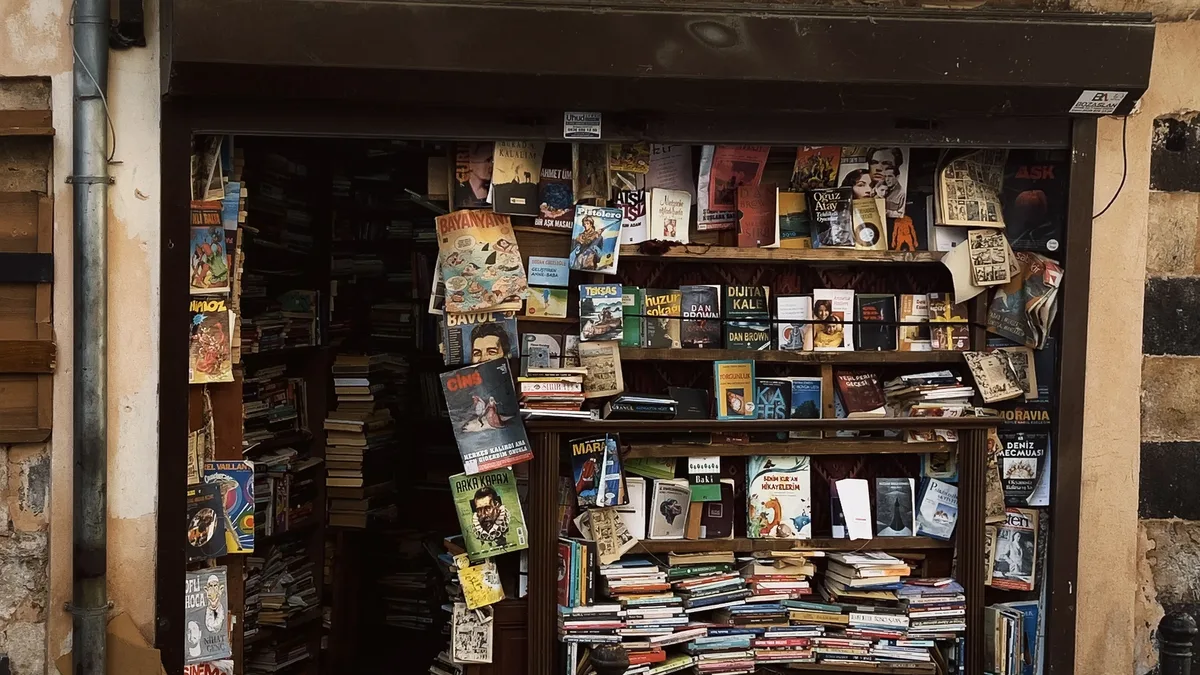
Horror Bookstores Rise in 2026 as Readers Seek Community
A wave of new horror-focused bookstores is opening, reflecting a trend toward niche retail and tactile community spaces in the book industry.
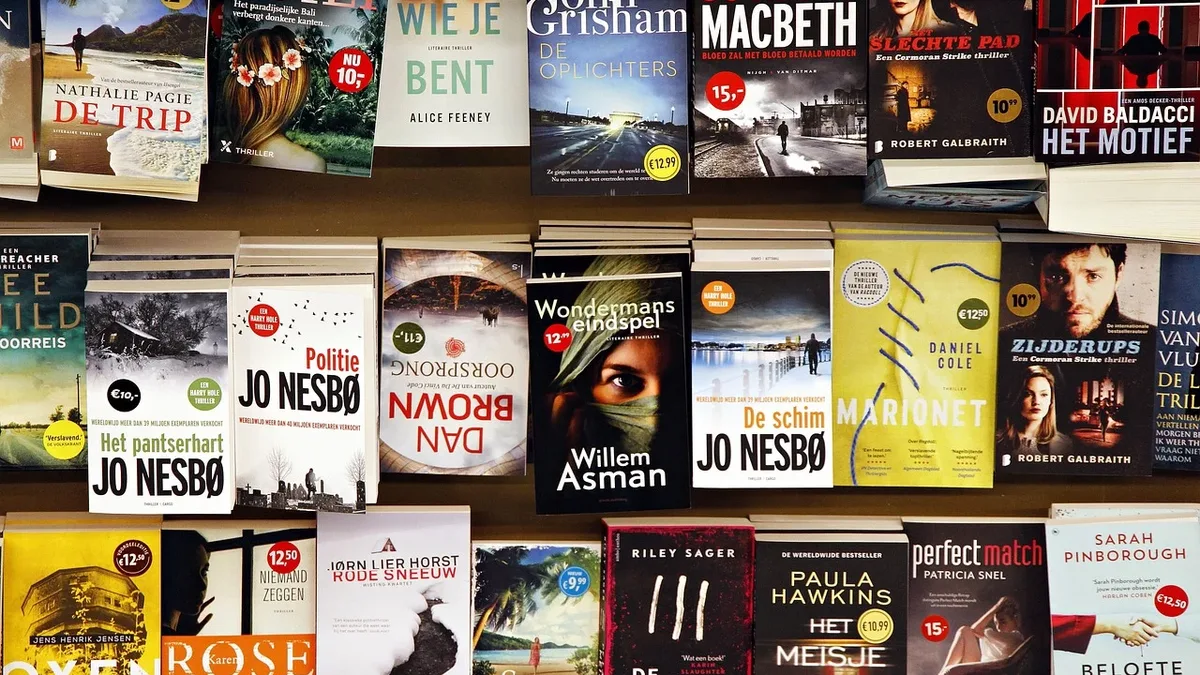
Agents Predict Trends at Frankfurt Book Fair 2026
Literary agents at the Frankfurt Book Fair highlight rising interest in horror, traditional space opera, and fiction from smaller language markets.

Naomi Alderman's The Strangers Blends Grief and Eco-Horror
Naomi Alderman's new book, The Strangers, is a hybrid memoir and speculative fiction novel about grief and mysterious creatures called mimmoths.