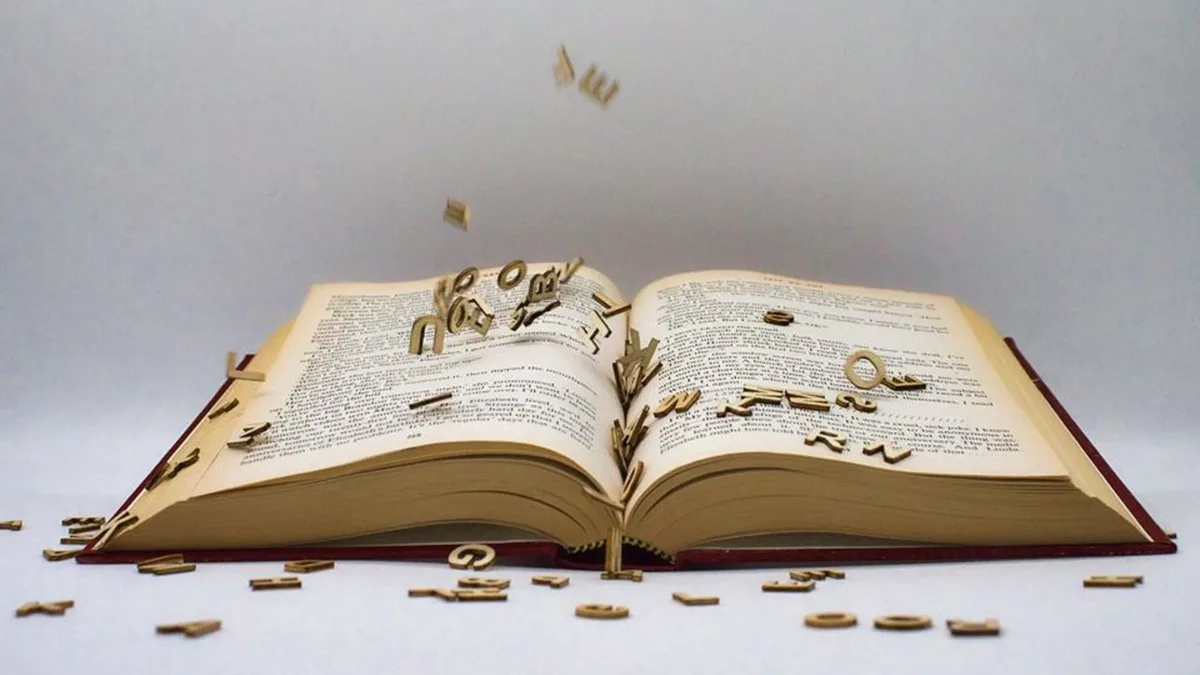
Colin Bramwell’s debut poetry collection Fetch reviewed
Colin Bramwell’s debut poetry collection Fetch, a translation of Fernando Pessoa’s work into Scots, is reviewed alongside four other recent poetry
Colin Bramwell’s debut poetry collection Fetch, published by And Other Stories at £14.99, is a lyrical exploration of translation and identity. Bramwell previously won the Oxford Weidenfeld Translation Prize and the Highland Book Prize for his translation of Fernando Pessoa’s work into Scots. In Fetch, he thematises the gap between languages, describing himself as “an instrument for something else / a digital piano that if you opened it up / you wouldn’t understand the wiring.” The collection blends Scots and English, engages with Russian poets like Osip Mandelstam and Anna Akhmatova, and reflects on filial memories and premonitions of fatherhood. One line reads: “Death is certain, but back then I was too young for that shit.” Critics note the collection conveys an uncanny sense of wisdom, patience, and peace for a debut work.
Girling by Eve Esfandiari-Denney
Eve Esfandiari-Denney’s Girling, published by Fitzcarraldo at £12.99, is praised for its iridescent and sensuous sentences. The collection moves between girlhood and womanhood, explores illness and wellness, and questions free will in the face of genetic programming. One poem reflects: “I have wondered to what extent my cancer diagnosis is my mother’s, or my grandmother’s cell mutation, before my own … I look up from a cigarette mid-sentence…” The work hybridises forms like the essay, diary, text message, and anecdote, interspersed with short-lined lyric poems. A notable line reads: “I hope it’s ok to die. I can / become something / like actualised metaphor.” The collection ends with a playful, moving line: “DJ are you listening did you read to the end will you blow my voice a kiss.”
The Dead One, The Unconscious One, Thundering in Your Ear, Thriving Slumber by Jay Gao
Jay Gao’s collection, published by Carcanet at £12.99, uses tree imagery to explore embodiment and language. The title alone signals Gao’s insistent and conceptually daring approach. Poems are structured like budding leaves, discreet yet shaped by their origins. Lines include: “Mustering diction in the interest of the non-human”; “On the horizon, a filthy war dog shakes her remaindered vernal atoms free”; and “You wanted the intimacy of two words who shared a sound to unsecure that wild.” The collection features “splinters”, single words with ultra-long dashes that could replace words in prior lines. One example: “A splinter of duration lodged inside times’ ruche, awaiting salvage …” followed by a page-long em-dash before “selvedge.” Gao is compared to CD Wright and Lyn Hejinian for his compressive, inventive style.
Belling the Leopard by Clementine Ewokolo Burnley
Clementine Ewokolo Burnley’s Belling the Leopard, published by Bloodaxe at £14, is structured around place names and forced migrations. The collection examines the legacy of colonialism across the Caribbean, western Africa, and western Europe. One line notes: “All the flights from Africa used to transit through a European capital city.” While some narratives risk feeling like information overload, the work shines when memory and lyric fuse, as in: “We rub each other raw in the same spots / and if you’re starting to lose / arguments, I notice I no longer need to win.”
The Matter by Padraig Regan
Padraig Regan’s sophomore collection, published by Carcanet at £12.99, continues his structure of lyric sequences split by longer essays. The work intensifies engagement with the material world, animals, minerals, and vegetables. A line from A Venus Flower Basket reads: “Drowned Arachne! / except: what it spins / it is. & who wouldn’t / want to wear their bones / on the outside / if they could sparkle.” Regan also writes about Gogotte, a pure sand concretion found in France, using it to move from geology to reflections on the body, gay saunas, and language. One line states: “I am a poet, Gogotte: I spend my life trying to come up with verbal structures commensurate with the unstructurable mess of being-in-the world.” The collection includes vivid detail, such as in A Belemnite: “An off white seam runs jagged / down its length / like an injury; // its surface is a register / of glances & impacts / against whose grain I read the // long, posthumous biography.”