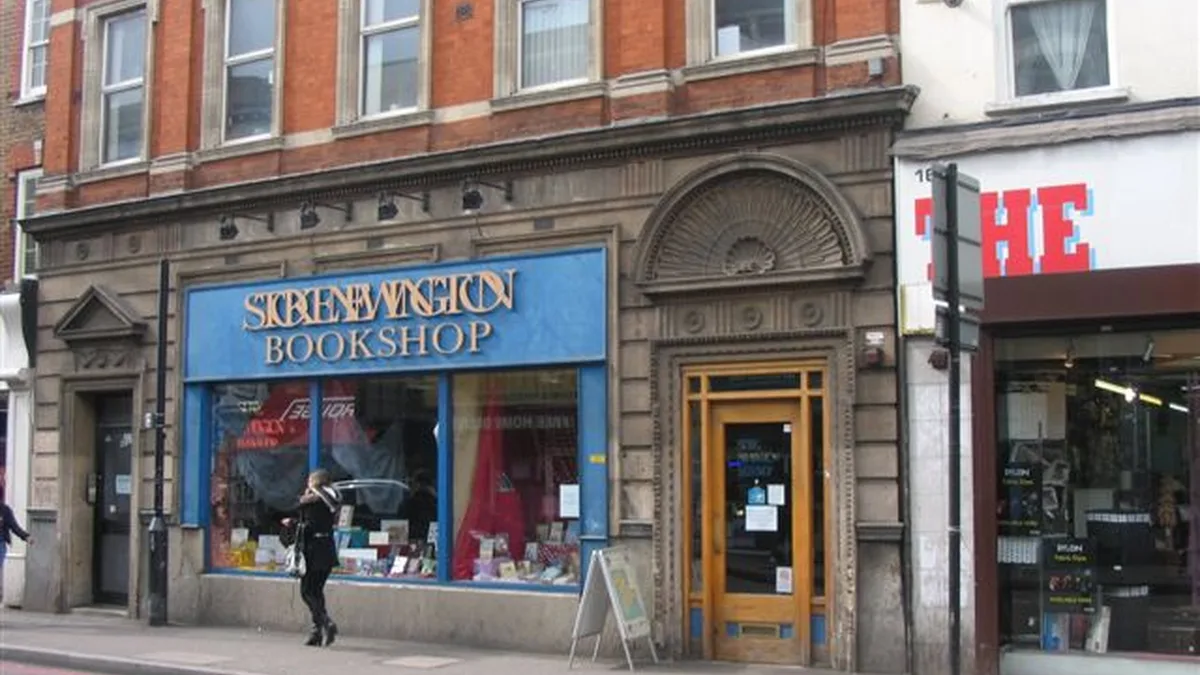
Independent Bookshops
| Original use | Selling books directly to the public |
|---|---|
| Typical size | Small to medium |
| Stock focus | Curated, often generalist or specialist |
| Location type | Usually a standalone physical premises |
| Business model | Independently owned, not part of a chain |
| Customer interaction | High, often with personal recommendations |
| Community role | Often hosts events like readings and signings |
Origin and history
The concept of the independent bookshop, as a retail establishment owned by individuals or partners rather than a corporate chain, has existed for centuries alongside the commercial trade of books. Its modern form, defined in opposition to large chain bookstores and online retailers, solidified in the latter half of the 20th century, particularly from the 1970s onward. This period saw the rise of national bookstore chains, which prompted a conscious distinction for smaller, proprietor-run shops. The term "independent bookshop" itself gained widespread usage in the United States and the United Kingdom during the 1980s and 1990s as a badge of identity. Historically, such shops have roots in the bookselling stalls of medieval European marketplaces and the scholarly bookshops that proliferated around universities. Their evolution is intrinsically linked to the development of publishing and literacy, serving as crucial nodes for the distribution of ideas long before mass retail models emerged.
What it is for
An independent bookshop is a retail business primarily focused on selling new books, often with a curated selection determined by the owner's or staff's expertise rather than centralized corporate algorithms. Its core function is to provide a physical space for community engagement with literature, hosting author readings, book clubs, and literary events that connect readers directly with writers. These shops serve as discoverability engines for titles that may not achieve prominence in larger retail channels, including works from small presses, literary fiction, poetry, and niche non-fiction. They act as a vital intermediary in the book supply chain, advocating for specific titles to their customer base and providing a sales channel for publishers outside of major wholesale agreements. Furthermore, they offer personalized book recommendations, a service based on sustained conversation and knowledge of individual customer tastes. The shop's physical inventory itself constitutes a curated collection, presenting a point of view on literature and culture to its local community.
Pros and cons
A significant advantage of the independent bookshop model is its ability to foster deep community ties and provide highly personalized service that builds customer loyalty over decades. The curated selection often leads to serendipitous discoveries for customers, exposing them to authors and publishers they might not encounter online or in a chain store. For publishers, especially small and academic presses, these shops are an essential avenue for reaching engaged readers and generating vital word-of-mouth attention. The primary con is operational fragility, as these businesses typically operate on very thin margins and are highly vulnerable to fluctuations in rent, property taxes, and competition from online retailers offering deep discounts. A common mistake for new owners is underestimating the immense overhead costs of inventory and physical space while overestimating the revenue from book sales alone, leading to financial strain. The model also faces the constant challenge of inventory management, where the desire to stock a wide, eclectic range conflicts with the need to turn over stock quickly to meet expenses, and customers who browse in person but later purchase online represent a persistent economic drain.
Who it suits
This trade suits individuals with a profound passion for literature and community building, who are prepared to prioritize that mission over the prospect of significant financial gain. Successful proprietors typically possess a broad knowledge of books across genres and the ability to hand-sell titles through authentic enthusiasm and descriptive ability. It suits those with strong interpersonal skills who enjoy daily interaction with the public and the stamina for long retail hours, including evenings and weekends for events. The model is well-suited to locations with a stable, literate population that values local commerce and is willing to pay full retail price to support a community asset. It also suits entrepreneurs who are adept at diversifying revenue streams through sidelines like selling used books, cards, stationery, or hosting paid workshops to supplement core book sales. Ultimately, it is a vocation for those who find reward in being a cultural hub and trusted literary advisor, rather than purely a retail merchant.
Latest Independent Bookshops news
Latest reporting

Independent Press Nonfiction Bestsellers for September 2026
Emily Wilson's 'Crossing the Wine-Dark Sea' leads the latest chart of top-selling nonfiction from independent publishers, featuring works on...

Planeta and Madrina Sévigné Launch Spanish Literature Push
Two publishing ventures, the global giant Planeta and the new independent house Madrina Sévigné, have simultaneously announced plans to focus on...
French Booksellers Stage First National Strike Over Pay
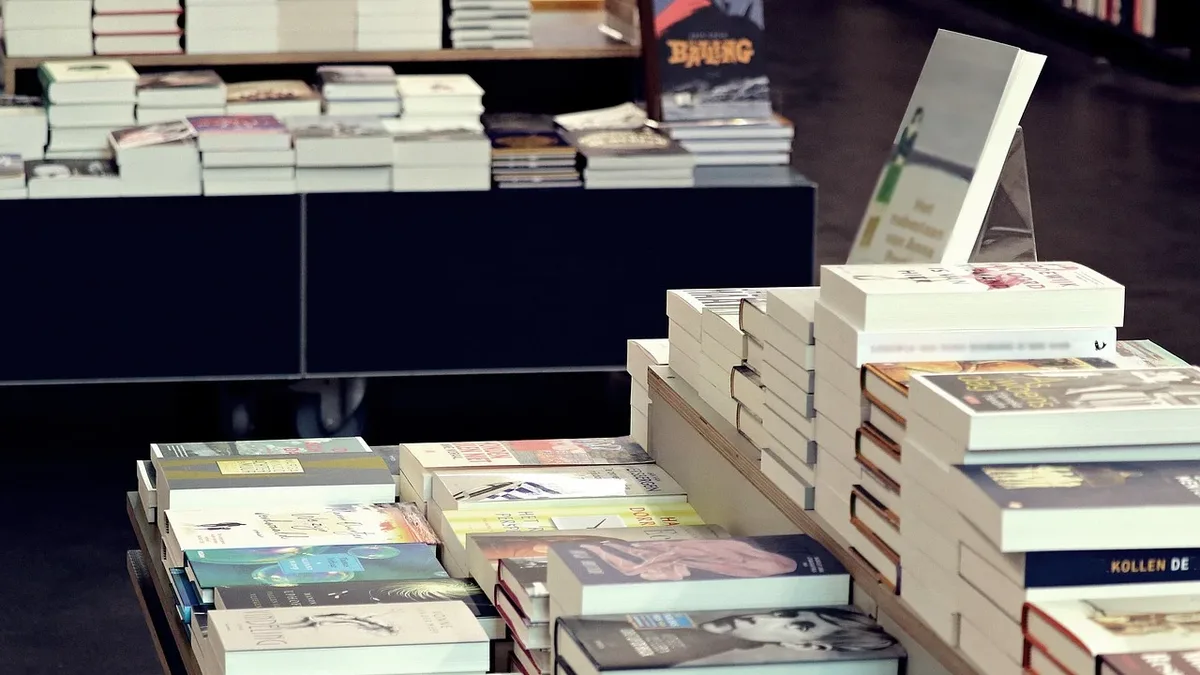
Employees of French bookshops held their first national strike on September 8, demanding higher wages and a better collective agreement.

Independent Press Fiction Bestsellers for August 30, 2026
Kathryn Stockett's 'The Calamity Club' leads the weekly fiction chart from independent bookstores, with Emily Wilson's translation of 'The Odyssey'...

Babelica 2026 Focuses on Young Generation
The Babelica 2026 online fair for independent publishing, centered on young authors, will be held on September 21 and 22.
Independent Publishers Caucus Turns 10
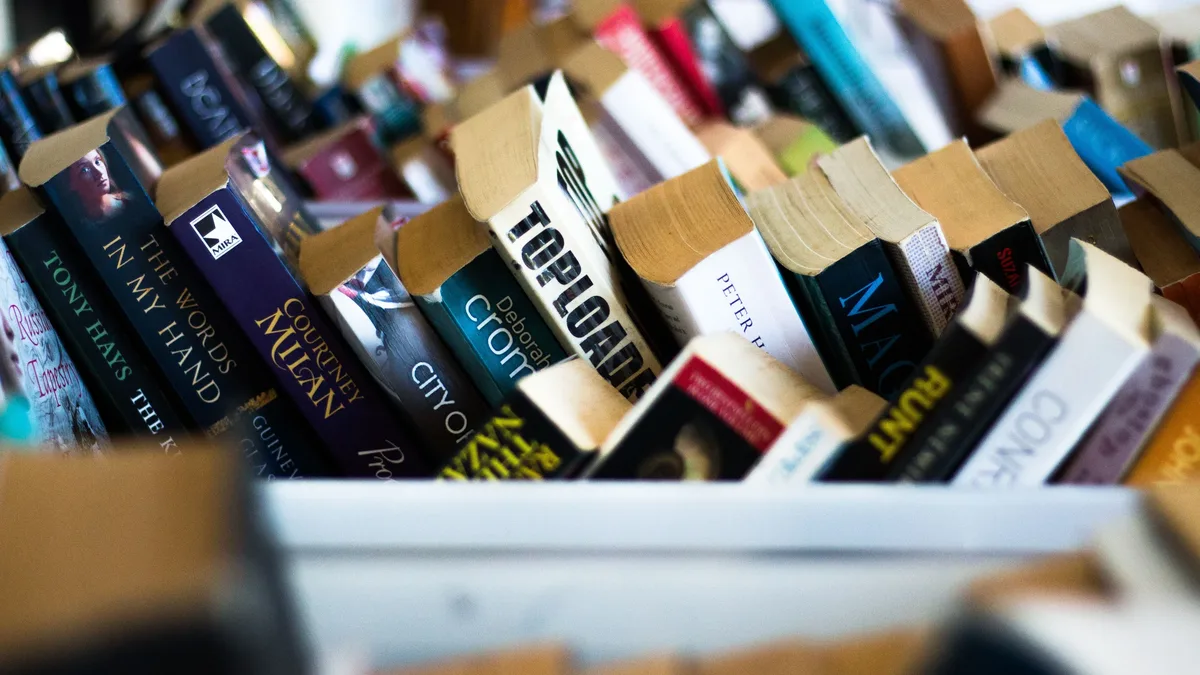
The Independent Publishers Caucus, founded a decade ago, now has 107 member publishers and has launched its own bestseller lists to spotlight titles...