Jon Ronson's 'The Castle' explores modern
Jon Ronson's new book 'The Castle' investigates bizarre case studies, from a Connecticut castle owner to a controversial comedian, to examine the confused
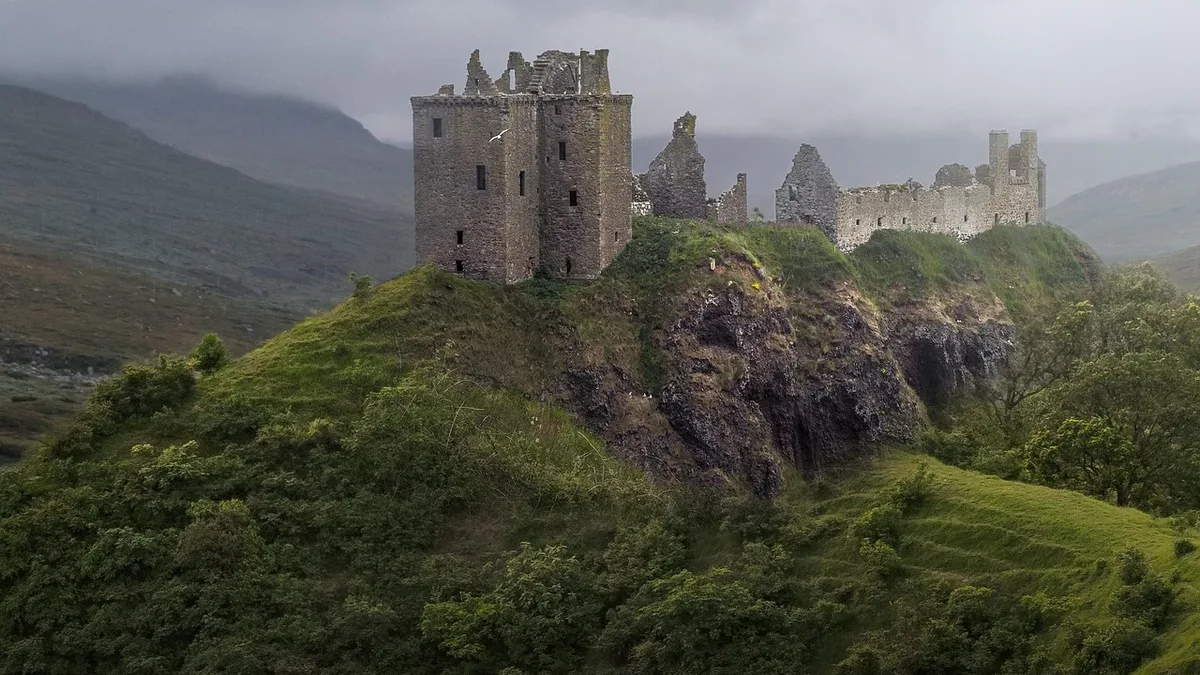
Journalist Jon Ronson's new book, 'The Castle: Adventures in a World of Unravelling Men', investigates the confused and often troubling state of modern masculinity. The project began in 2023 when his son texted him about a strange party at a castle in Connecticut owned by steel heir Chris Mark, who was filming a reality show about '101 princesses'.
Ronson, a reporter with decades of experience, visited Mark. The host showed off his cave-themed bedroom and explained he used dating apps to find women, often targeting drug addicts because 'they don’t know what’s going on'. Mark asked Ronson to sign a non-disclosure agreement. When the author refused, Mark flooded his phone with threats.
The book details Ronson's subsequent investigation. A disenchanted associate leaked Mark's messages, which included plans for a $2,500-an-hour floating brothel. The messages also suggested Mark once paid for a woman to fly from Poland, only for authorities to send her home over safety fears. Ronson also spoke to an ex-fiancee, admitting to the reader that 'a break-up can be good news for a journalist'. As allegations mounted, Ronson briefly entertained the idea that Mark may have been involved in his own father's 2009 drowning, though he later concluded he was not.
From Castle to Controversy
Ronson's search expands beyond the castle. He interviews an Australian man whose teacher once made every boy in his school 'apologise for rape'. He meets a single father who gained a YouTube following with videos of his daughters' food fights, only to be dropped by the platform and falsely accused of kidnap by online commentators. Ronson argues these tales are emblematic of a culture where men are told to be vulnerable yet fear giving women 'the ick' with minor faux pas.
His analysis takes speculative turns. He says Chris Mark reminded him 'a little of America in Iraq' when the castle owner couldn't decide between housing OnlyFans models or founding an orphanage. This leads to a segment on actor Armie Hammer, mentioned primarily because Hammer gave Ronson an unpublished tell-all interview.
The book's analytical style grows jittery as Ronson tries to connect disparate threads. He interviews Graham Linehan, co-creator of Father Ted and an ex-friend, after comparing Linehan's online posts about transgender people to bullying. Ronson says Linehan then subjected him to multiple abusive messages. Their six hours of video calls yield less analytical weight for Ronson than a tenuous analogy he draws to a 2004 case where a West Virginian teenager died after a lottery win triggered paranoia.
Near the book's end, Ronson recounts the fatal shooting of Renée Good by an ICE agent. He connects it by noting that Linehan-the only man explicitly called 'unravelling' in the book-later reposted a tweet calling Good 'the face of chaos' and 'the epitome of the modern-day liberal white woman'. Ronson writes this showed Linehan's 'obsessive anti-wokeness' had 'eclipsed his role as a self-appointed defender of women'. This revelation, placed in a footnote seven pages from the end, leaves the reader questioning if the book is an exploration of masculinity or an act of 'slow-brew payback', as the reviewer in The Guardian suggests.
Ronson's own ego is a recurring theme. He admits he wants 'to be better than every other nonfiction writer'. This self-awareness adds comic charm to a creepy narrative. The book concludes without a definitive answer, instead presenting a series of bizarre tales that ask what men are permitted to be in the 21st century.